
Community Barbershop Reading vs Traditional Tutoring: Which Is Better for Your Child's Literacy Journey?
Every child deserves to see themselves as a reader. For Black boys and youth of color across Pinellas County and greater Florida, finding that spark of confidence can transform their entire relationship with learning. But here's the question many parents are asking: where does that spark come from? Is it in the structured environment of traditional tutoring, or in the vibrant, culturally rich atmosphere of a community barbershop reading program?
The answer might surprise you. Let's break it down.
Two Paths to Literacy Success
When it comes to family literacy programs, parents have more options than ever. Traditional tutoring has been the go-to for decades, scheduled sessions, skill-focused instruction, and measurable academic outcomes. It's familiar, structured, and widely available.
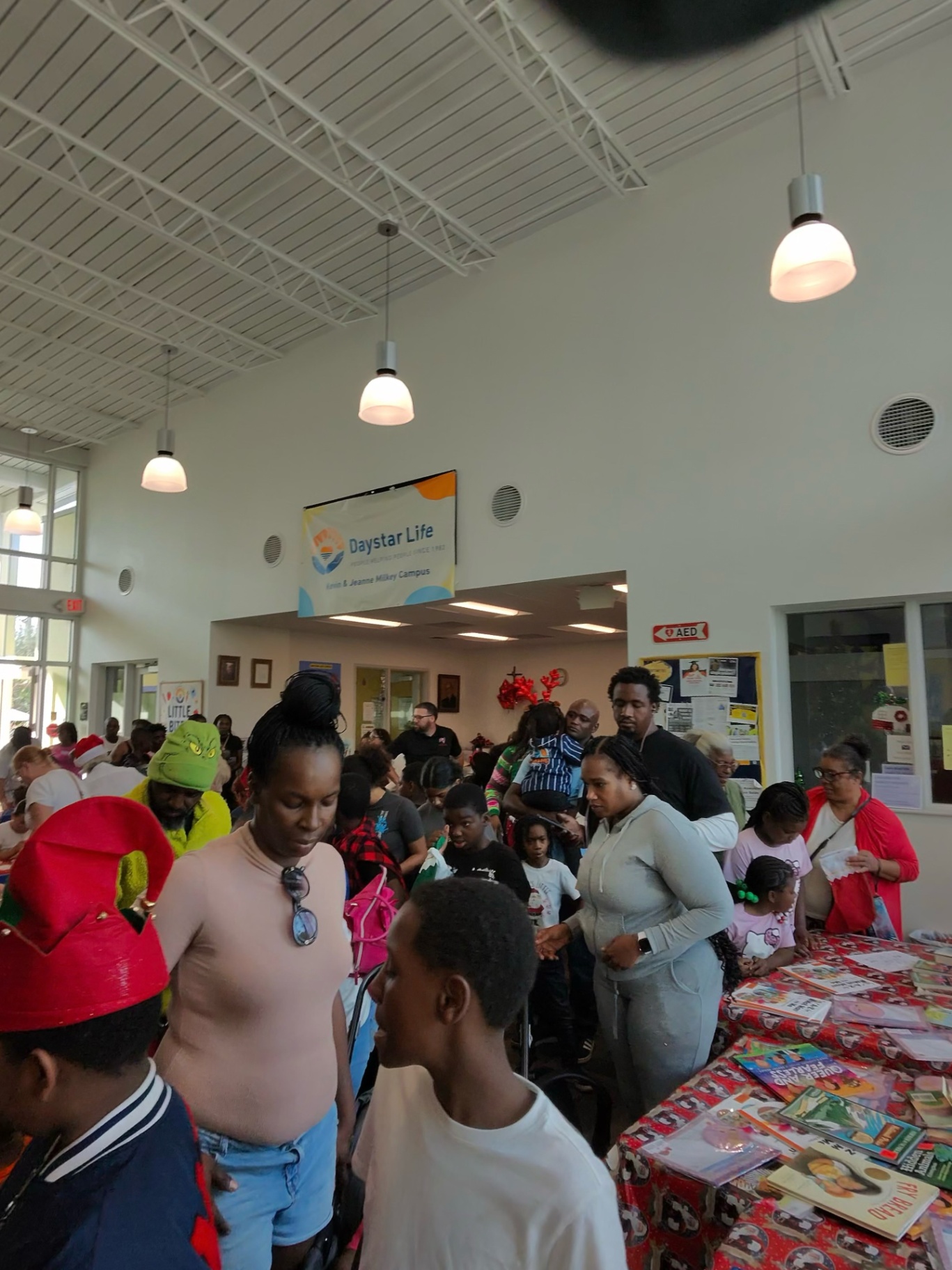
But something remarkable is happening in barbershops across Florida and the nation. Community barbershop reading programs are flipping the script on how we think about literacy development. Instead of worksheets and drills, these programs meet children exactly where they are, in spaces that already feel like home.
The Power of Community Barbershop Reading
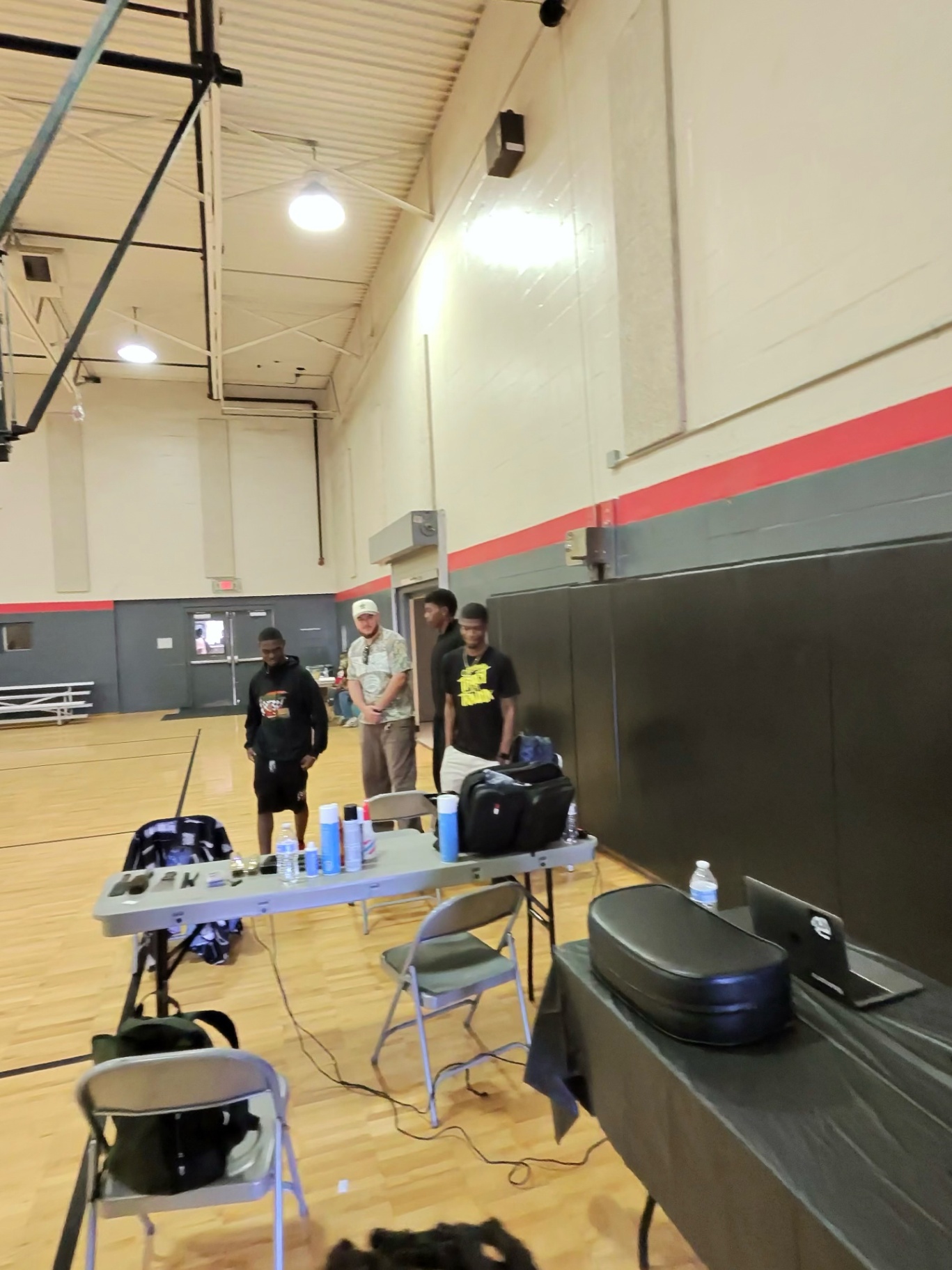
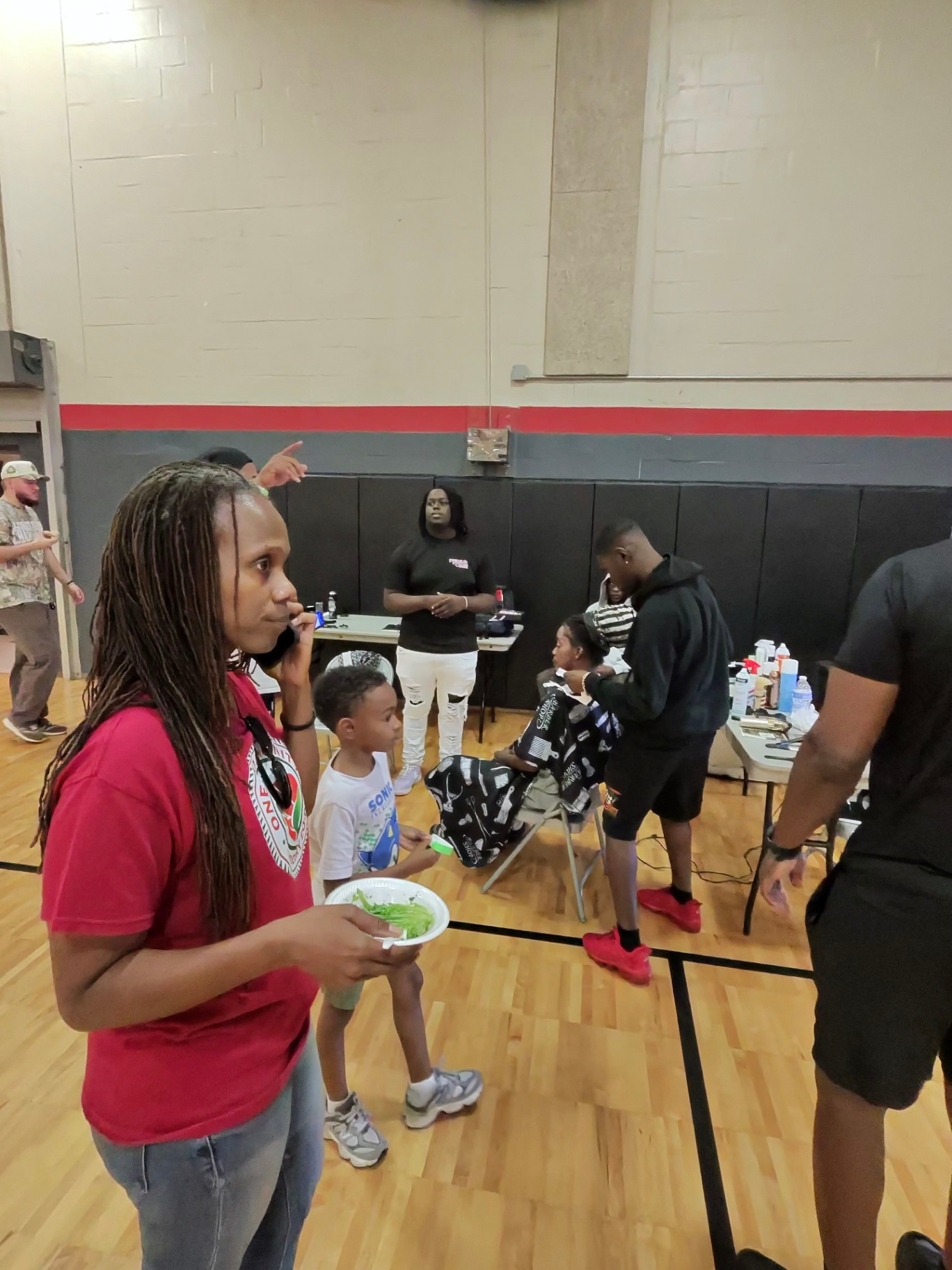
Picture this: A young boy named Marcus sits in a barbershop chair in St. Petersburg, waiting for his fresh cut. Instead of scrolling through a phone or fidgeting impatiently, he's absorbed in a book featuring a Black superhero who looks just like him. The barber, Mr. James, asks him about the story. Other kids in the waiting area lean in, curious. Suddenly, reading isn't homework, it's cool.
This is the magic of community barbershop reading.
These enrichment programs for underserved youth transform everyday spaces into engaging family reading spaces. Barbershops become literacy hubs where culturally responsive books line the shelves, and trusted community members become reading champions.
The approach works because it removes the stigma. Reading becomes social, natural, and deeply connected to identity. Research from a two-year evaluation by New York University professor Susan B. Neuman found that children participating in barbershop reading programs were significantly more likely to identify themselves as readers compared to those who didn't participate.
The numbers tell an inspiring story:
93% of children reported finding reading fun after participating
85% identified as readers, a powerful shift in self-perception
60% increase in families spending quality time engaging with books
82% of parents became more confident in selecting books for their children
For Black boys especially, who often face systemic barriers in traditional educational settings, these programs offer something transformative: reading confidence for boys built on cultural pride and community belonging.
What Traditional Tutoring Brings to the Table
Let's be clear, traditional tutoring isn't the enemy. For many families, it serves an important purpose. When a child struggles with specific reading skills like phonics, comprehension, or fluency, one-on-one tutoring can provide targeted intervention.
Traditional tutoring offers:
Structured curriculum aligned with academic standards
Progress tracking and measurable outcomes
Focused attention on skill gaps
Flexibility in scheduling (including online options)
For some children, this structured approach clicks. They thrive with clear expectations and systematic instruction. And for parents navigating busy schedules, the predictability of tutoring sessions can be a lifeline.
But here's the catch: tutoring often focuses on what children read without addressing why they should want to read in the first place.
The Missing Ingredient: Reading Identity
Here's where community barbershop reading programs shine brightest.
A child can master every phonics rule and still hate reading. They can ace comprehension tests and never pick up a book for pleasure. Skills matter, yes: but so does identity.
When a young Black boy sees himself represented in the books he reads, when a trusted barber celebrates his reading journey, when his peers think reading is something worth doing: that's when real transformation happens. That's when a reluctant reader becomes a lifelong learner.
Community barbershop reading programs understand this deeply. They position reading as a social, emotionally resonant activity rather than an academic obligation. They leverage existing community relationships: barbers who see children regularly and hold influence in their lives.
As one program coordinator shared: "We're not just putting books in barbershops. We're changing how boys see themselves. We're showing them that readers look like them, come from where they come from, and do amazing things."
Which Approach Is Right for Your Child?
The honest answer? It depends: and it might not be either/or.
Consider community barbershop reading if:
Your child sees reading as boring or "not for them"
They need to build confidence and positive associations with books
They respond well to social, informal learning environments
You want them to see diverse characters who reflect their experiences
Building reading identity is your primary goal
Consider traditional tutoring if:
Your child has specific skill gaps that need targeted instruction
They're struggling academically and need structured intervention
They thrive with one-on-one attention and clear expectations
Progress tracking and measurable outcomes are priorities
Consider both if:
You want to address skill development AND reading identity
Your child benefits from variety in their learning approach
You're building a comprehensive family literacy strategy
Actionable Tips for Pinellas County Parents
Ready to take the next step in your child's literacy journey? Here's how to make the most of what's available:
1. Find Your Local Barbershop Reading Program
Programs like those supported by The Competitive Readers Coalition are bringing books directly into barbershops across Pinellas County and greater Florida. Ask your barber if they participate, or connect with local organizations to find engaging family reading spaces near you.
2. Make Reading a Family Affair
Don't leave literacy to programs alone. Create your own reading rituals at home. Let your child see you reading. Talk about books at dinner. Visit the library together. The research shows that when families engage with books together, children's confidence soars.
3. Choose Culturally Responsive Books
Representation matters. Seek out books featuring Black, Indigenous, and characters of color as heroes, scientists, athletes, and everyday kids. When children see themselves in stories, they're more likely to see themselves as readers.
4. Celebrate Small Wins
Did your son finish a chapter? Celebrate it. Did he tell you about a character he loved? Ask more questions. Reading confidence for boys is built one positive experience at a time.
5. Connect with Community
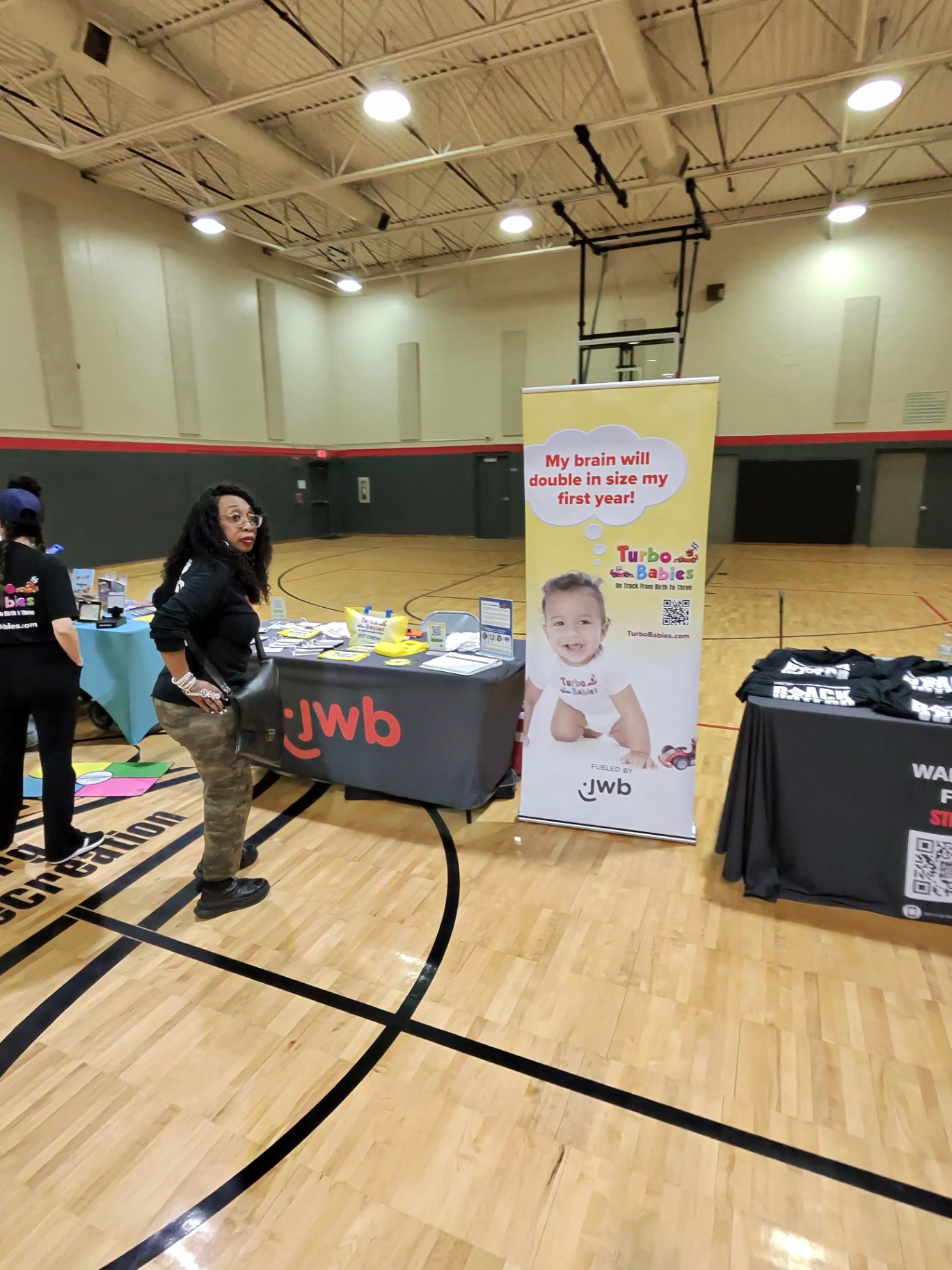
Check out CRC's upcoming events like Books Beyond the Rooted Series or the Danny Dollar Presentation & Book Signing. These gatherings bring families together around literacy in joyful, affirming ways.
6. Stay Flexible
Your child's needs may change. A program that works beautifully this year might need adjusting next year. Stay attuned, stay curious, and keep the conversation going.
The Bottom Line
Community barbershop reading programs and traditional tutoring aren't competitors: they're different tools serving different purposes. But for BIPOC families in Pinellas County seeking to build reading confidence for boys and create lasting literacy habits, the community-centered approach offers something uniquely powerful.
When children feel seen, celebrated, and connected to their culture, reading stops being a chore. It becomes part of who they are.
That's the kind of transformation that lasts a lifetime.
Ready to explore how community barbershop reading can support your family? Learn more about the movement and discover how barbershops are powering up child literacy one book at a time.
Because every child deserves to know: reading is for them. Reading is theirs. And their story is just beginning.
Comments