


Culturally Responsive Books for Boys: Top Picks for Black, Indigenous, and Youth of Color in Pinellas County
- Antonio Brown
- Jan 12
- 7 min read
When young boys see themselves reflected in the pages of a book: their experiences, their struggles, their triumphs, their communities: something transformative happens. Reading becomes more than just decoding words; it becomes a mirror that validates their identity and a window that expands their world. For Black, Indigenous, and boys of color in Pinellas County, access to culturally responsive literature isn't just important: it's essential for building confident, engaged readers who see unlimited possibilities in their futures.
The statistics tell a compelling story. Across Florida, boys consistently trail girls in reading achievement, but when culturally responsive books enter the equation, engagement soars. Here in Pinellas County, we've witnessed remarkable transformations in boys who previously struggled with traditional reading materials but found their spark when handed books that spoke directly to their lived experiences.
Why Representation in Literature Transforms Young Readers
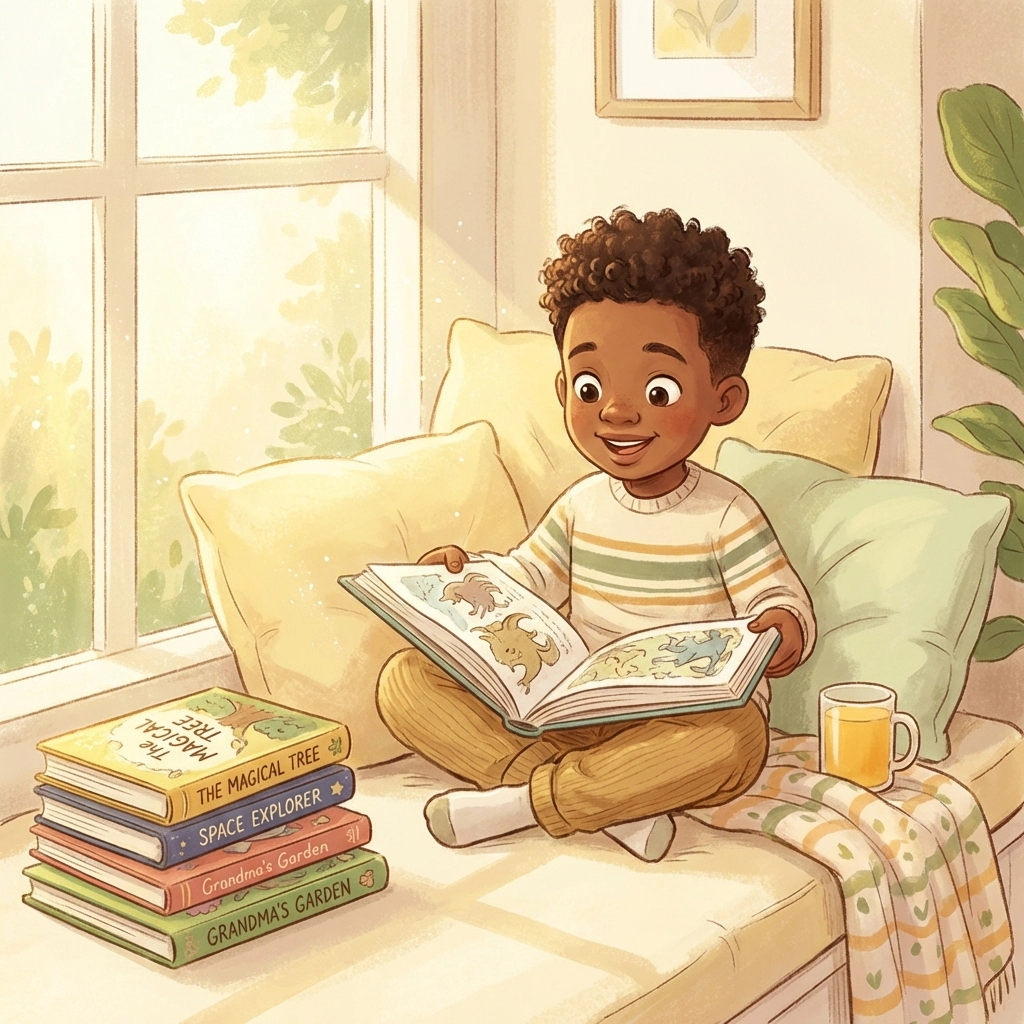
Imagine a seven-year-old boy walking into his neighborhood barbershop and discovering a book about a young Black inventor who looks just like him. Picture a ten-year-old Indigenous student finding a story that honors his heritage while addressing the challenges he faces daily. These moments of recognition create powerful connections that traditional curriculum often misses.
Dr. Rudine Sims Bishop's groundbreaking concept of books serving as "mirrors, windows, and sliding glass doors" becomes particularly crucial for boys of color. When young readers encounter characters who share their cultural background, family structures, and community experiences, they develop stronger reading identities and deeper comprehension skills.
Research from Pinellas County Schools shows that boys participating in culturally responsive reading programs demonstrate significant improvements in both engagement and achievement. The district's Boys Read Book Battle and Camp Read Strong initiatives have documented measurable gains when students connect with diverse, high-interest materials that reflect their own experiences and aspirations.
Essential Books That Speak to Young Boys of Color
For Elementary Readers (Ages 6-10)
Last Stop on Market Street by Matt de la Peña featuring Christian Robinson's vibrant illustrations captures the beauty of urban communities through the eyes of young CJ, who learns to see magic in everyday moments during bus rides with his grandmother. This Newbery Medal winner resonates deeply with boys who navigate similar neighborhoods and family relationships.
The Undefeated by Kwame Alexander celebrates the resilience and achievements of African Americans throughout history, presenting complex themes through accessible poetry that young boys can both understand and feel proud of.
Fry Bread: A Native American Family Story by Kevin Noble Maillard offers Indigenous boys a beautiful representation of family traditions, community gathering, and cultural pride centered around the simple yet profound act of making fry bread together.
For Middle Grade Adventures (Ages 8-12)
All American Boys by Jason Reynolds and Brendan Kiely addresses critical social justice themes through the perspectives of two boys: one Black, one white: but centers the experiences and voice of Rashad, providing young Black readers with a character who faces real challenges while maintaining hope and agency.
Miles Morales: Suspended by Jason Reynolds brings the beloved Spider-Man character into contemporary Brooklyn, where Miles navigates school, family expectations, and superhero responsibilities while staying true to his Puerto Rican and African American heritage.
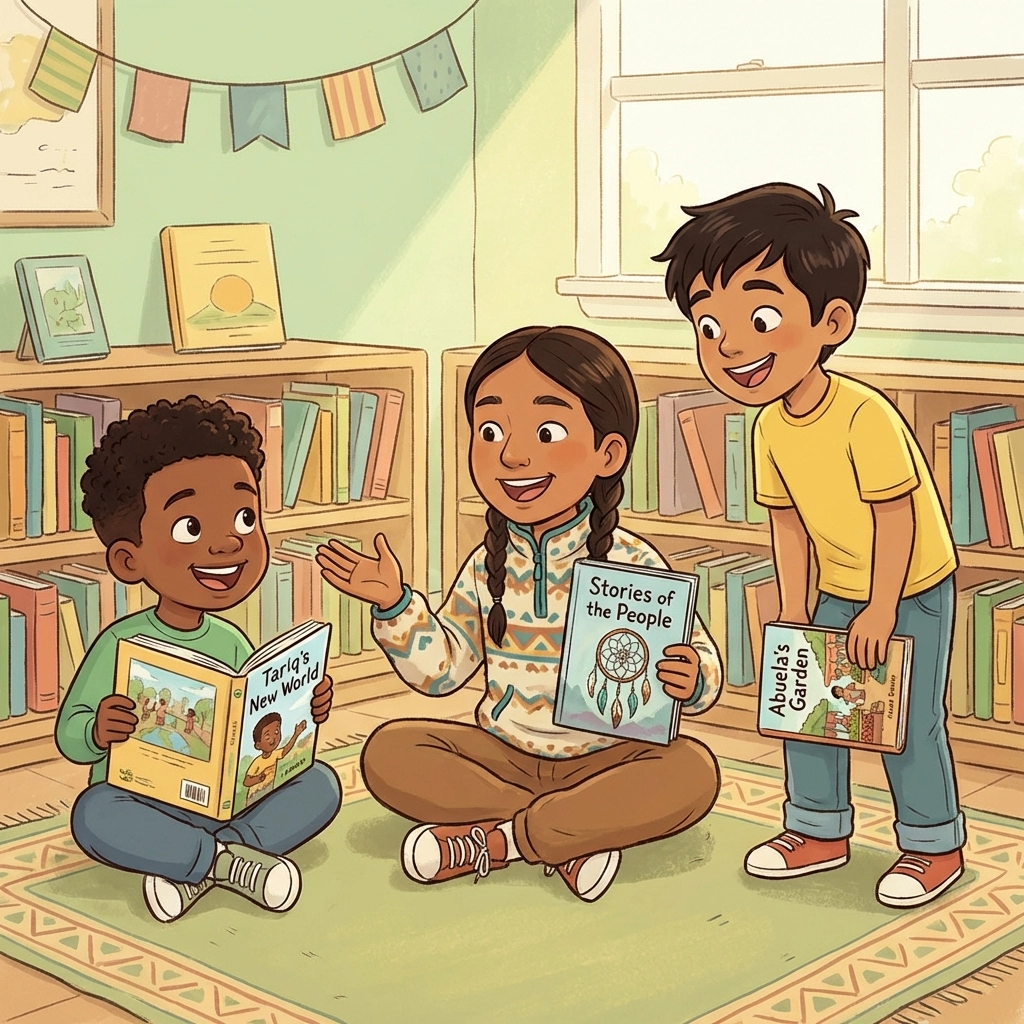
Tristan Strong Punches a Hole in the Sky by Kwame Mbalia weaves West African mythology with American history, following a young Black boy who discovers his connection to powerful ancestral stories while processing grief and finding his inner strength.
For Advanced Readers (Ages 10-14)
Ghost by Jason Reynolds introduces readers to Castle "Ghost" Cranshaw, a boy running from his past who discovers his talent for track while learning to confront his challenges head-on. This first book in the Track series resonates with boys facing similar struggles in urban environments.
I Can Make This Promise by Christine Day features a Native American girl discovering her family's hidden history, but the themes of identity, family secrets, and cultural reclamation speak powerfully to Indigenous boys as well.
The Bridge Home by Padma Venkatraman, while featuring girls as protagonists, addresses universal themes of homelessness, survival, and family bonds that resonate across gender lines for readers of color.
How to Choose Culturally Responsive Books That Engage Boys
Selecting the right books requires looking beyond surface-level diversity to examine authentic representation. Seek out books written by authors who share the cultural backgrounds they're writing about. Jason Reynolds, Kwame Alexander, Matt de la Peña, and Jacqueline Woodson consistently create authentic voices that boys of color recognize as genuine.
Look for stories that present complex characters facing real challenges while maintaining agency and hope. Avoid books that only focus on trauma or historical oppression without balancing those experiences with joy, achievement, and cultural celebration.
Consider your child's interests alongside cultural representation. A boy passionate about sports might connect with Booked by Kwame Alexander, which combines soccer with poetry and family dynamics. A young reader fascinated by technology could explore The Wild Robot by Peter Brown, which features themes of adaptation and community that resonate across cultural backgrounds.
Pay attention to visual representation in picture books and graphic novels. Illustrations should authentically represent diverse skin tones, hair textures, family structures, and community environments that reflect the full spectrum of experiences within communities of color.
Bringing Books Home: Family Discussion Strategies
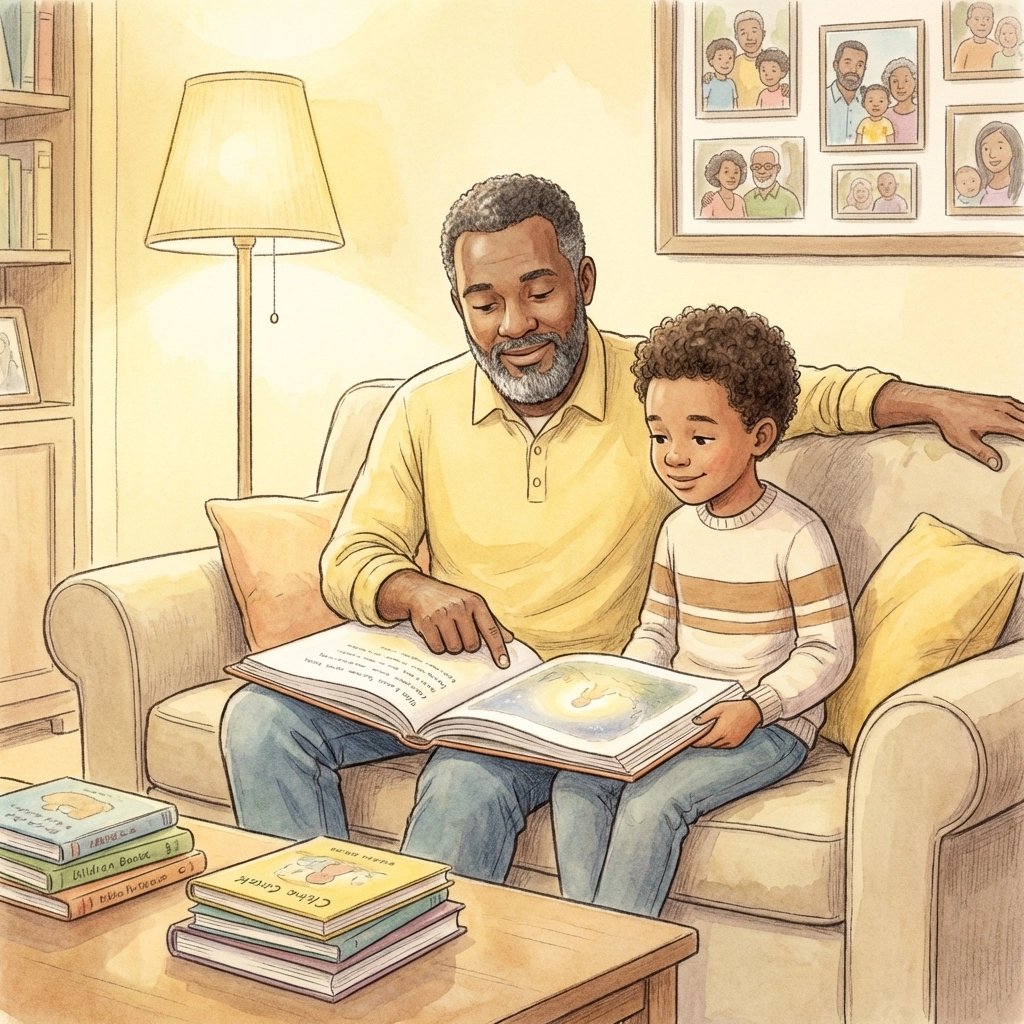
Creating meaningful conversations around culturally responsive books strengthens both reading comprehension and cultural identity. Start discussions by asking open-ended questions: "What did you notice about this character's family?" or "How does this story remind you of our own experiences?"
Connect book themes to current events and family history. When reading about civil rights movements, share stories from grandparents or community elders. When exploring Indigenous traditions, research local tribal history and contemporary cultural events in the Tampa Bay area.
Encourage boys to make text-to-self connections by asking them to share similar experiences or different perspectives. This approach validates their own stories while building critical thinking skills.
Create family reading traditions that honor diverse voices. Designate specific times for exploring books by authors of color, and make these moments special through activities like cooking foods mentioned in stories or researching the author's background together.
The Barbershop Connection: Community Literacy in Action
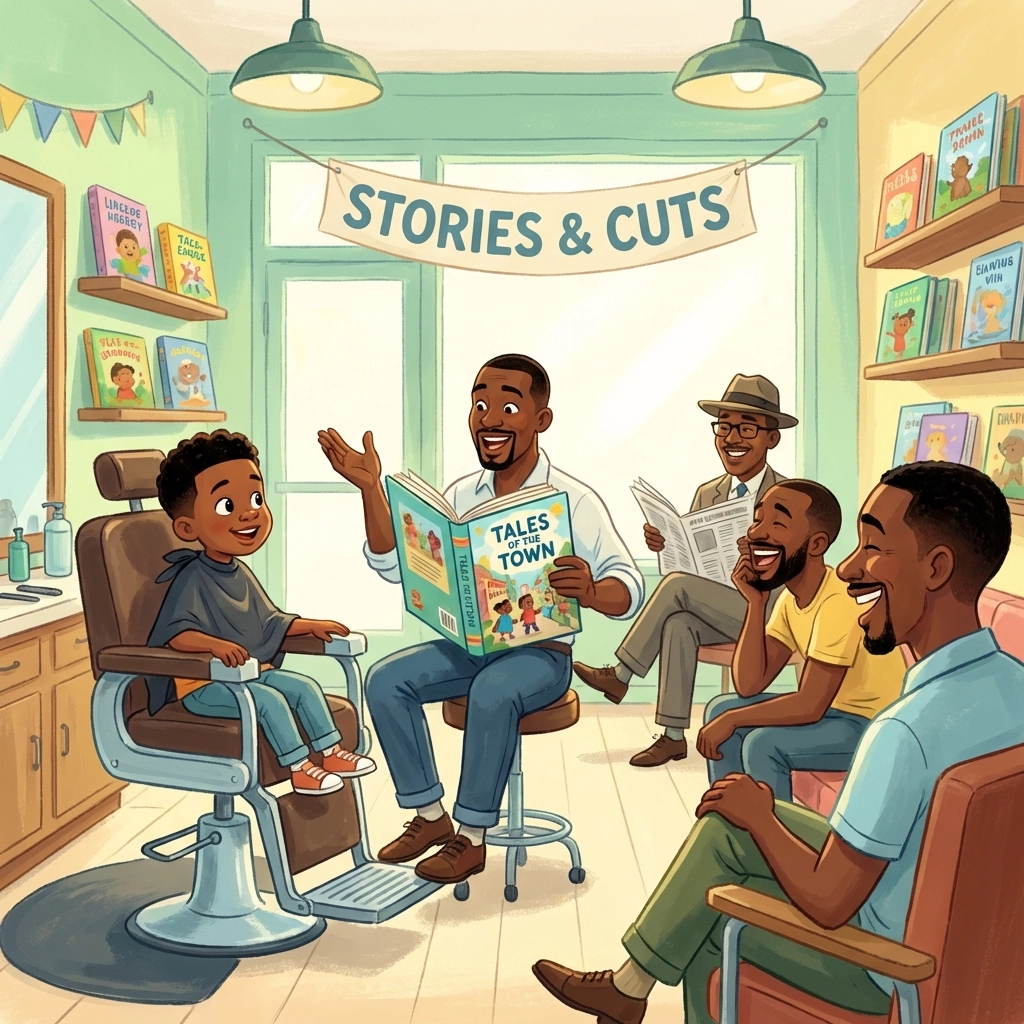
Here in Pinellas County, barbershops have emerged as unexpected literacy champions, creating culturally responsive reading environments where young boys feel completely comfortable exploring books and discussing stories. These community spaces naturally foster the kind of relaxed, masculine-positive environment that encourages reluctant readers to engage.
The Competitive Readers Coalition's barbershop programs demonstrate how culturally responsive books thrive in these authentic community settings. When boys see older men in their community reading and discussing diverse literature, it dismantles stereotypes about reading being feminine or uncool.
Barbershop reading programs also create intergenerational conversations about books and life experiences. A grandfather reading New Kid by Jerry Craft with his grandson opens discussions about navigating predominantly white spaces, building resilience, and maintaining cultural identity: conversations that might feel forced in other settings but flow naturally during a haircut.
Local Resources in Pinellas County
The Pinellas County Library system has expanded its culturally responsive collections significantly, with branches in St. Petersburg, Clearwater, and Pinellas Park featuring dedicated sections for diverse children's literature. Many locations host author visits and cultural celebration events that highlight books by writers of color.
Local independent bookstores like Haslam's Book Store in St. Petersburg and Book + Bottle in St. Pete Beach have increased their inventory of culturally responsive children's books and can special order titles for families seeking specific themes or authors.
Pinellas County Schools' media specialists have undergone training to identify and recommend culturally responsive titles, and many schools now feature diverse authors in their annual book fairs and reading events.
Community organizations throughout the county partner with literacy programs to ensure culturally responsive books reach families who might not otherwise access them. These partnerships create sustainable systems for getting diverse books into the hands of young readers who need them most.
Building a Home Library That Reflects and Celebrates
Creating a personal collection of culturally responsive books sends a powerful message to young boys about the value of their own stories and experiences. Start small with a few high-quality titles that align with your child's interests and gradually build a collection that represents various cultures, experiences, and reading levels.
Consider the long-term impact of book ownership. When boys own books that reflect their identities, they're more likely to reread them, share them with friends, and develop lasting positive associations with reading. These books become treasured possessions that often get passed down to younger siblings or cousins.
Mix contemporary stories with historical narratives to provide both mirrors of current experiences and windows into the past. Balance fiction with nonfiction to appeal to different reading preferences and learning styles. Include poetry, graphic novels, and traditional narratives to expose young readers to diverse storytelling formats.
The Ripple Effect: How One Book Changes Everything
When we place culturally responsive books in the hands of young boys of color, we're not just improving reading scores: we're nurturing future leaders, innovators, and community builders who understand their worth and potential. These books plant seeds of possibility that grow into academic confidence, cultural pride, and social awareness.
The transformation extends beyond individual readers to entire families and communities. Boys who discover their love of reading through culturally responsive literature often become ambassadors for literacy, recommending books to friends and siblings, participating more actively in classroom discussions, and viewing reading as a lifelong source of pleasure rather than a school requirement.
Here in Pinellas County, we have the opportunity to lead by example, demonstrating how communities can support literacy development by centering diverse voices and experiences. Every culturally responsive book we place in young hands represents an investment in a future where all children see themselves as capable, valuable, and destined for greatness.
Visit our resources to discover more ways to connect young readers with books that celebrate their identities while expanding their horizons. Together, we're building a generation of confident readers who understand that their stories matter and their voices deserve to be heard.
Comments