
Literacy Matters: How Reading Early Can Help Keep Your Son Out of the School-to-Prison Pipeline
Every child deserves a future filled with possibility. Every parent dreams of watching their son grow into a confident, capable young man who walks boldly into his purpose. But for too many Black boys and underserved youth in Pinellas County, that dream faces obstacles that begin long before they ever step foot in a courtroom or encounter a police officer. It starts in the classroom, with a reading struggle that goes unnoticed, a label that sticks, and a cycle that can feel impossible to break.
But here's what we want you to know: you have more power than you realize. Early literacy isn't just about report cards and reading levels. It's about building the foundation for self-awareness, confidence, and resilience that can protect your son from systems designed to count him out.
This is a conversation we need to have, parent to parent, heart to heart. Let's talk about what's really at stake and what you can do right now to change the trajectory for your child.
Understanding the School-to-Prison Pipeline
You've probably heard the phrase "school-to-prison pipeline" before, but what does it actually mean?
In plain language, it's the pattern where children, particularly Black and Brown boys from low-income communities, are pushed out of classrooms and into the criminal justice system. It doesn't happen overnight. It's a slow process that often begins with something as simple as a child struggling to read.
Here's how it works: A young boy falls behind in reading. He feels frustrated, maybe acts out. Instead of getting the support he needs, he gets labeled as a "problem kid." Suspensions pile up. He misses more school, falls further behind, and eventually disengages completely. Research shows that youth who experience school suspensions during grades 7–12 have 878% greater odds of incarceration in young adulthood compared to those who were never suspended.
That's not a typo. 878%.
But here's what the research also tells us: the relationship between suspensions and incarceration is largely mediated by whether a child graduates high school. In other words, if we can keep our boys engaged, reading, and on track to graduate, we dramatically reduce their risk of ever entering that pipeline.
The Transformative Power of Early Reading
So where does literacy fit in? Everywhere.
Children who develop strong reading skills early build academic confidence. They stay engaged with school. They're more likely to graduate. And graduation is one of the most powerful protective factors against incarceration.
But it goes deeper than academics. When a child reads, especially books that reflect his own experiences, culture, and potential, something remarkable happens. He begins to see himself differently. He discovers that his story matters. He develops self-awareness: the ability to understand his emotions, recognize his strengths, and imagine possibilities beyond his current circumstances.
Self-awareness is a superpower. A boy who knows who he is, who has language for his feelings and dreams, is less likely to be defined by someone else's low expectations. He can advocate for himself. He can make choices that align with his values. He can see a future worth working toward.
Early reading isn't just about decoding words on a page. It's about giving your son the internal toolkit he needs to navigate a world that doesn't always see his brilliance.
How CRC Is Making a Difference in Pinellas County
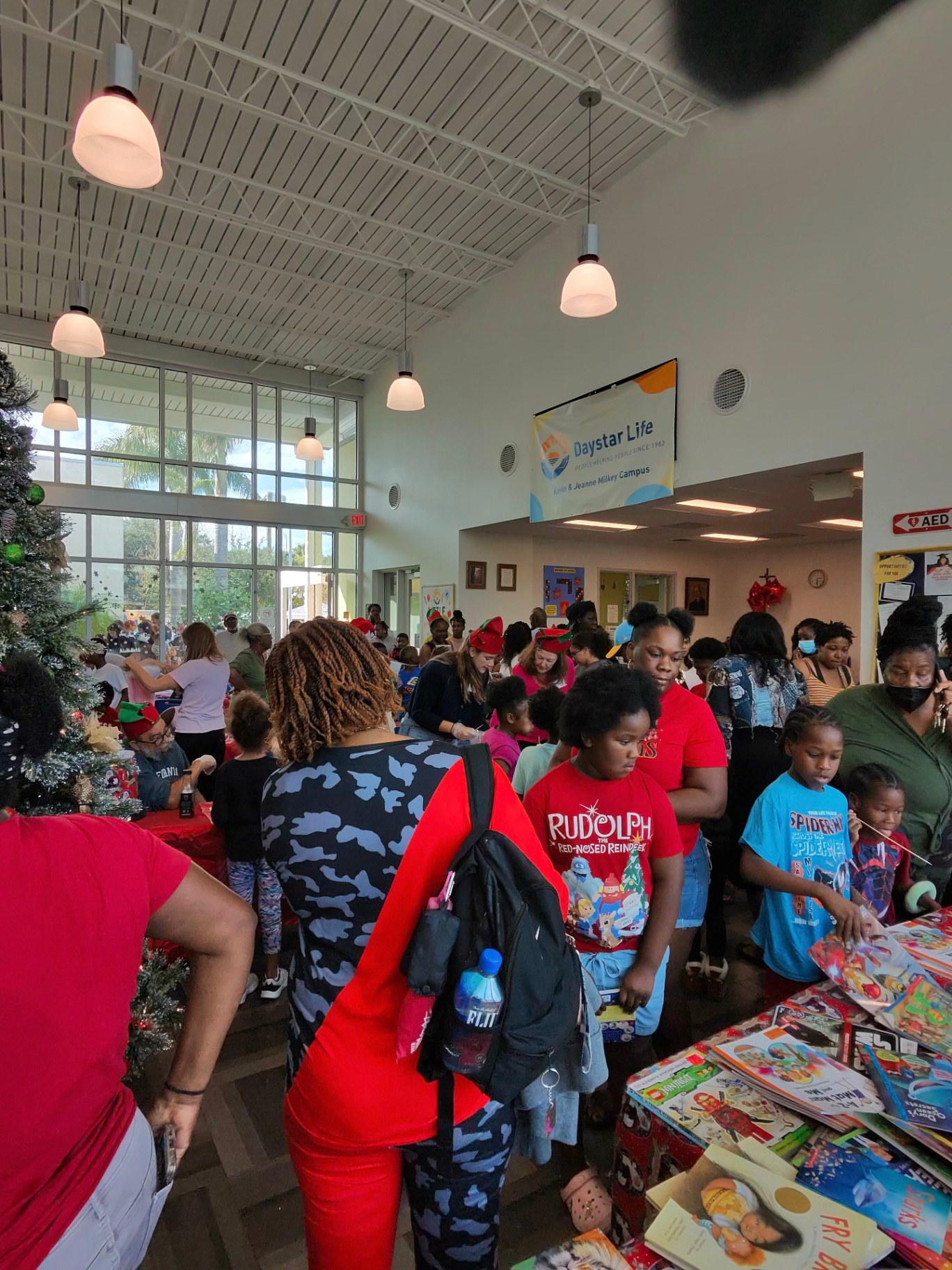
At The Competitive Readers Coalition (CRC), we believe in meeting families where they are, and that means bringing books into the spaces where our community already gathers.
Our barbershop reading programs are transforming the way young boys experience literacy. Imagine your son sitting in the barber's chair, flipping through a book that features a hero who looks like him, talks like him, and overcomes challenges just like the ones he faces. That's not just reading. That's identity formation. That's building reading confidence for boys in an environment that feels safe, familiar, and affirming.
We've seen it happen: boys who were reluctant readers suddenly asking to borrow books. Kids who were labeled "difficult" at school lighting up when they find a story that speaks to them. Parents telling us their sons are reading at home for the first time ever.
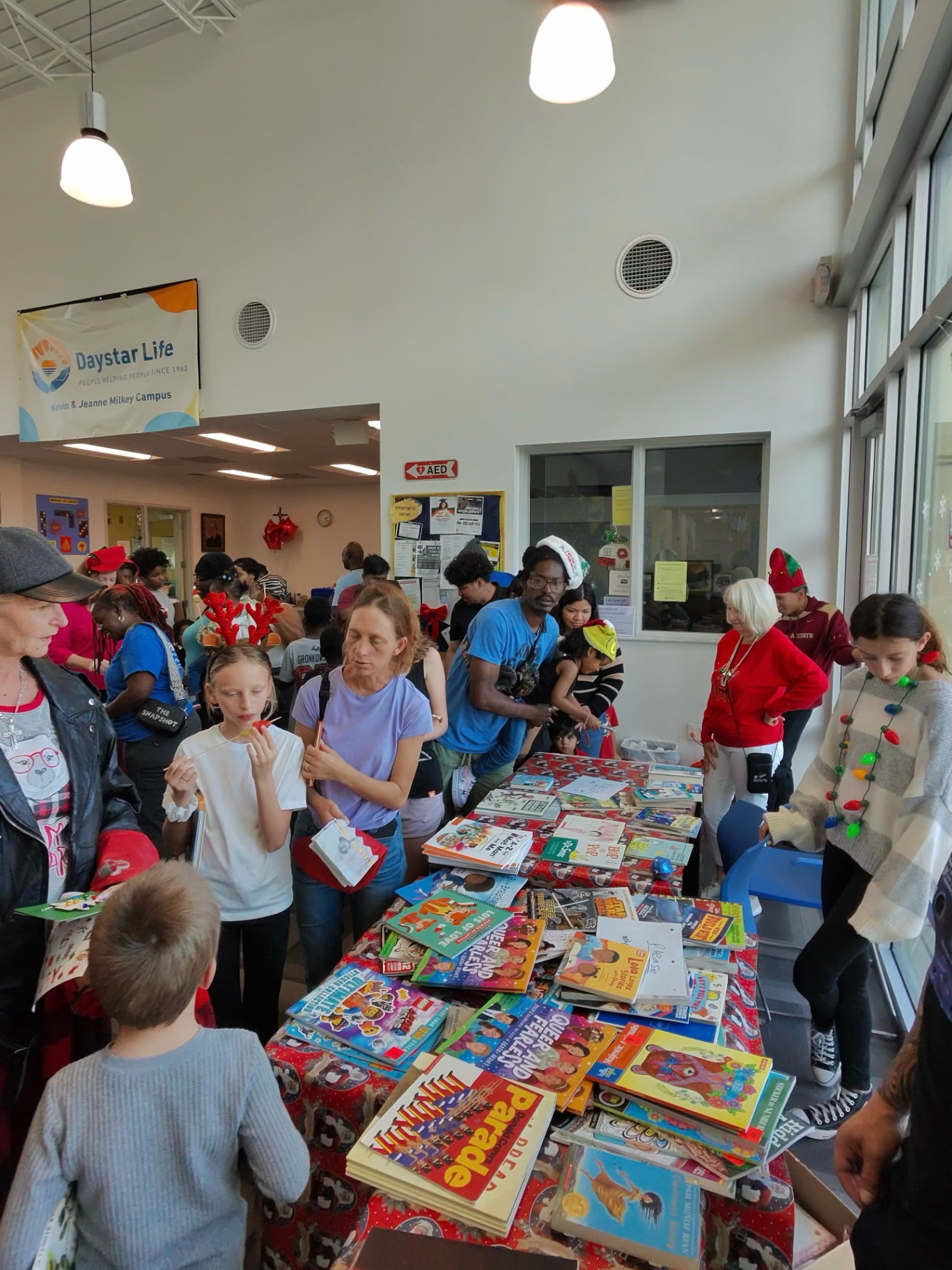
Our family literacy programs are designed to empower the whole household. Because here's the truth: when parents read with their children, everyone benefits. Your involvement signals to your son that reading matters, that learning is valuable, and that you're invested in his success. These moments of connection build bonds that no school suspension can break.
We also prioritize culturally responsive books, titles that reflect the rich diversity of Black and Brown experiences. Books like these aren't extras or nice-to-haves. They're essential. When a child sees himself in a story, he understands that he belongs in the world of ideas, achievement, and possibility.
Through partnerships with community organizations, barbershops, churches, and schools across Pinellas County, CRC is building a network of support that wraps around our young people. We're not just handing out books, we're creating enrichment programs for underserved youth that nurture the whole child.
Real Talk: A Scenario That Hits Home
Let's bring this down to earth with a story you might recognize.
Marcus is seven years old. He's energetic, curious, and loves asking questions, but reading hasn't clicked for him yet. By second grade, he's already feeling like he's "bad at school." His teacher is overwhelmed with a full classroom, and Marcus starts acting out to get attention. He gets sent to the principal's office. His mom gets called. The cycle begins.
Now imagine a different path. Marcus's mom connects with CRC through a community event. She brings him to a barbershop reading session where he discovers a book about a young Black inventor. For the first time, Marcus sees himself as someone who could create something amazing. He asks his mom to read with him at home. His confidence grows. He starts participating in class. His teacher notices the change.
This isn't fantasy. This is what happens when we invest in early literacy and self-awareness. This is what's possible when families have access to the right resources and support.
Your Action Plan: What Parents Can Do Right Now
You don't have to wait for the school system to catch up. Here's what you can start doing today to build reading confidence and self-awareness in your son:
1. Read together every day: even just 15 minutes. It doesn't have to be perfect. What matters is consistency and connection. Let your son see you enjoying books too.
2. Choose books that reflect his identity. Look for stories featuring Black and Brown characters, authors, and experiences. CRC can help you find titles that resonate. Check out our book recommendations and programs.
3. Talk about what you read. Ask your son how the characters might be feeling. Discuss the choices they make. This builds emotional intelligence and self-awareness.
4. Create a reading-positive environment. Keep books visible at home. Celebrate reading milestones. Make the library a regular destination.
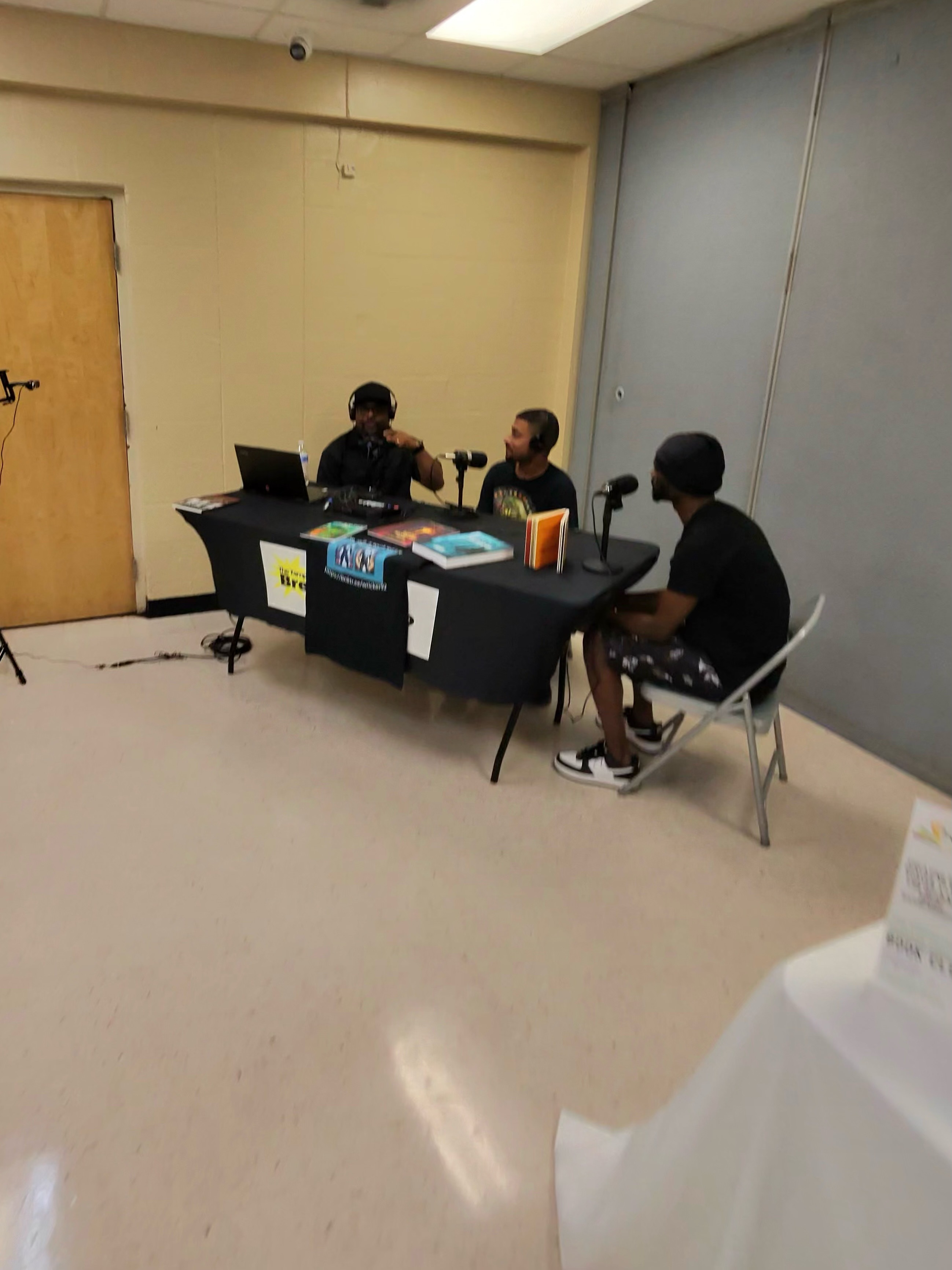
5. Connect with community resources. Attend CRC events, barbershop reading sessions, and family literacy programs in Pinellas County. You're not alone in this: there's a whole community ready to support you.
6. Advocate for your child at school. If your son is struggling, ask for reading support early. Don't let frustration turn into disengagement. Be his loudest champion.
The Future We're Building Together
The school-to-prison pipeline is real, but it is not inevitable. Every book read aloud at bedtime, every barbershop conversation about a story, every moment of connection over a shared page: these are the building blocks of a different future.
When we equip our sons with literacy, self-awareness, and confidence, we're not just helping them succeed in school. We're giving them armor against systems that would define them by their struggles instead of their strengths. We're showing them that their stories matter: and that they have the power to write their own.
At CRC, we believe in the brilliance of every young reader in Pinellas County. We believe that early intervention changes lives. And we believe that together: parents, educators, barbers, mentors, and community partners: we can break the cycle and build something beautiful.
Your son's story is still being written. Let's make sure it's one of hope, achievement, and limitless possibility.
Ready to get involved? Visit crcbooks.org to learn about our family literacy programs, upcoming events, and how you can bring books into your home and community.
Comments