
Self-Awareness: The Secret Ingredient for Confident, Lifelong Readers
Every child deserves to see themselves reflected in the pages of a book: and more importantly, to understand who they are as they turn each page. At The Competitive Readers Coalition, we've witnessed something remarkable happen when young readers, especially Black boys and underserved youth in Pinellas County, develop a deeper understanding of themselves. They don't just become better readers. They become more confident, more motivated, and more engaged with the world around them.
Self-awareness isn't just a buzzword in education circles. It's the foundation that transforms reading from a chore into a superpower. When children understand their emotions, recognize their strengths, and connect with their own stories, reading becomes personal. And when reading becomes personal, it becomes lifelong.
What Exactly Is Self-Awareness: And Why Does It Matter for Readers?
Self-awareness is understanding what motivates us, how we behave, and what we feel. For young readers, it's the ability to recognize when a character's journey mirrors their own, to name the emotions a story stirs up inside them, and to reflect on what they're learning about themselves through every book they pick up.
Research shows that readers who develop self-awareness through books gain emotional intelligence and personal insight that reinforces their engagement with reading. They become "more balanced, confident, maintain positive relationships, and have a greater sense of achievement." That's not just academic success: that's life success.
For Black boys and youth from underserved communities, this connection is even more powerful. When a young man sees a character who looks like him, lives in a neighborhood like his, and overcomes challenges he recognizes, something clicks. He realizes he's not alone. He sees possibilities. And that recognition builds the kind of confidence that no worksheet or test prep can replicate.
Building Self-Awareness Where Community Gathers
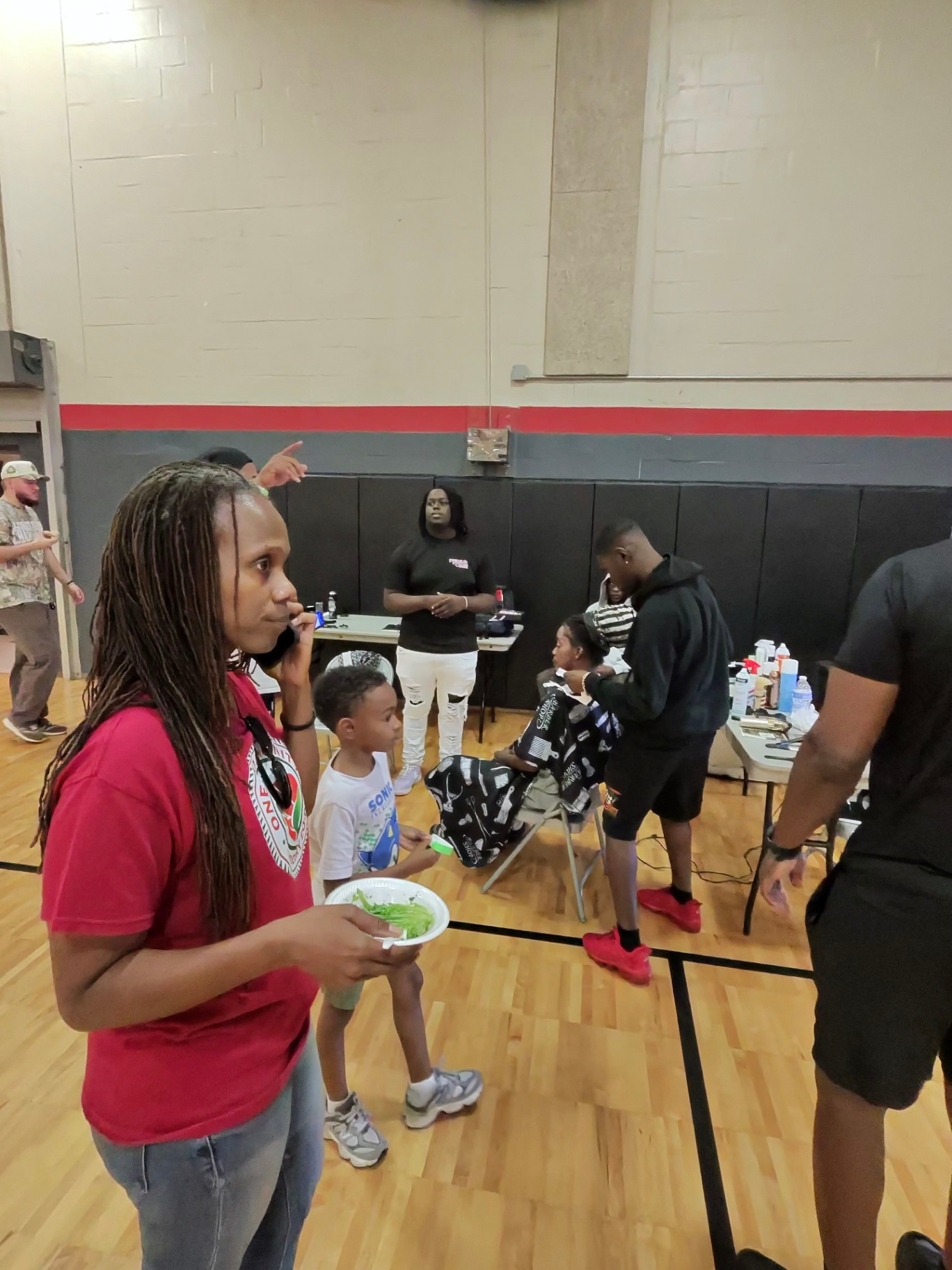
At CRC, we've learned that self-awareness doesn't develop in isolation. It grows in community: in spaces where young people feel safe, seen, and celebrated. That's why our barbershop reading programs have become such a transformative part of our work in Pinellas County.
Picture this: a young boy sits in the barber's chair, cape draped around his shoulders, while a CRC volunteer reads alongside him. The buzz of clippers mingles with conversation about the story's characters. "How do you think he felt when that happened?" the volunteer asks. The boy pauses, considers, and connects the character's experience to his own. In that moment, literacy and self-reflection become intertwined.
These barbershop sessions aren't just about getting kids to read more words per minute. They're about creating space for young Black boys to explore their identities, process their emotions, and build the vocabulary to express who they are. When a child can name his feelings: frustration, excitement, pride, fear: he gains power over them. And that emotional vocabulary, developed through rich descriptions in stories, enhances his ability to communicate and connect with others.
Our family literacy programs extend this work into homes across Pinellas County. We equip parents with tools to ask meaningful questions during reading time, turning every bedtime story into an opportunity for self-discovery. Because when families read together with intention, children learn that their thoughts and feelings matter.
What Self-Awareness Looks Like in Reading Moments
So how do you spot self-awareness developing in a young reader? Here are some real signs we celebrate at CRC programs:
The "That's Me!" Moment: A child points to a character and says, "He's just like me!" or "I felt that way before." This recognition: seeing oneself reflected in literature: is the foundation of reading confidence.
Naming Emotions: Instead of saying "I don't know" when asked how a character feels, the child uses specific words: "He's nervous because he doesn't want to mess up." This shows growing emotional intelligence.
Making Connections: The reader connects the story to their own life without prompting. "This reminds me of when my little brother..." These bridges between fiction and reality deepen comprehension and engagement.
Choosing Books with Purpose: A self-aware reader starts selecting books that interest them specifically, rather than just grabbing whatever's available. They know what they like and aren't afraid to pursue it.
Asking Reflective Questions: "Why did he make that choice?" or "What would I do?" These questions show a child is thinking critically about characters' motivations: and their own.
Actionable Ways Parents Can Nurture Self-Awareness at Home
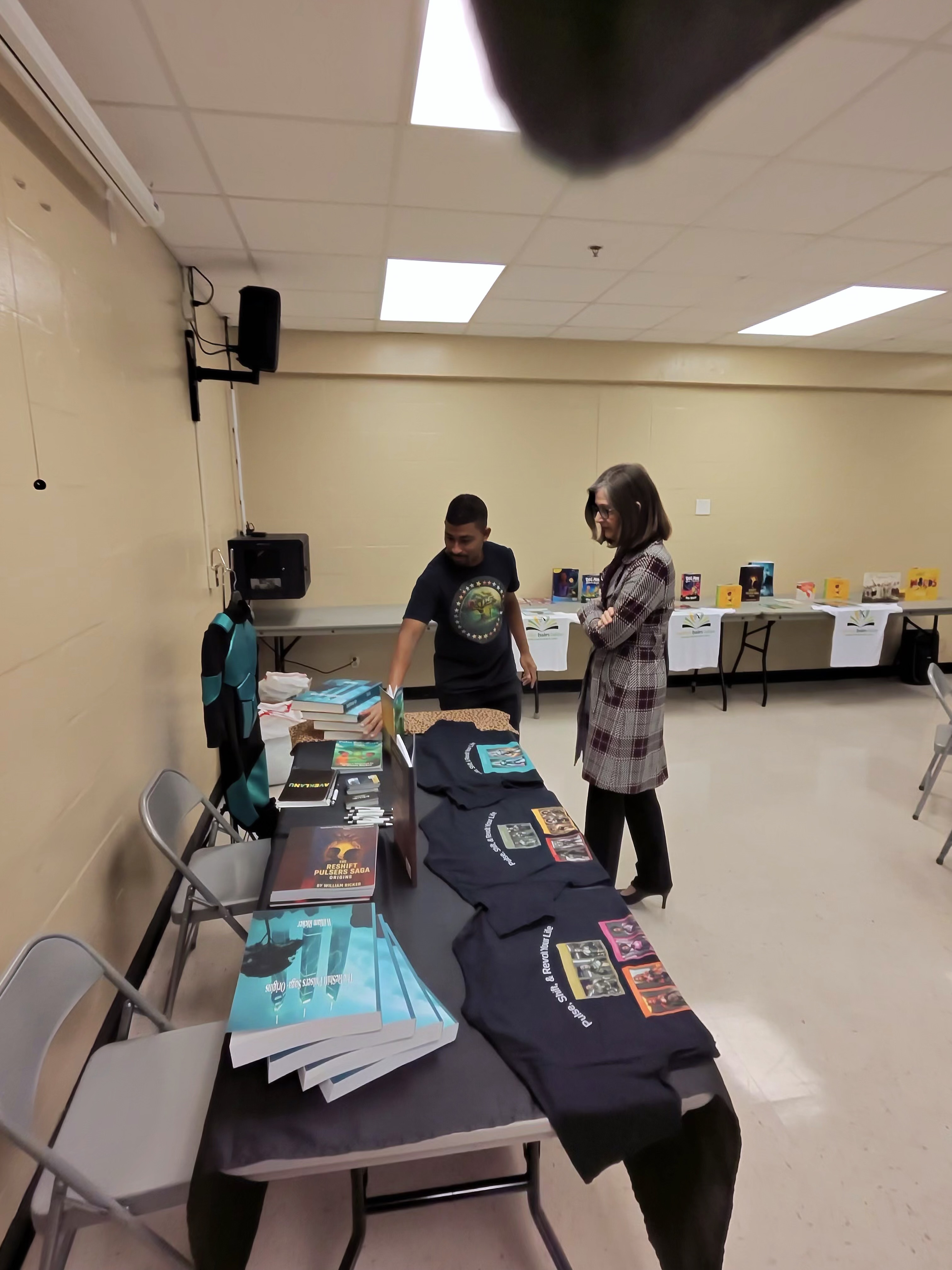
The beautiful thing about building self-awareness through reading is that it doesn't require expensive programs or special training. Parents and caregivers can cultivate this skill right at home, right now. Here's how:
Ask Open-Ended Questions During Reading Time
Move beyond "What happened in the story?" and try:
"How do you think that character was feeling? Have you ever felt that way?"
"What would you do if you were in this situation?"
"Which character do you relate to most? Why?"
These questions invite children to reflect on their own experiences and emotions while engaging with the text.
Create a "Feelings Check-In" Before and After Reading
Before starting a book, ask your child how they're feeling. After reading, check in again. Did the story change their mood? What emotions came up? This practice builds the habit of emotional awareness and shows children that their inner world matters.
Choose Books with Characters Who Look Like Your Child
Representation matters deeply. When Black boys see Black protagonists navigating challenges, achieving goals, and expressing emotions, they receive powerful messages about their own potential. Seek out culturally responsive books that reflect your child's identity and experiences.
Model Your Own Self-Reflection
Share your own responses to stories: "This part made me feel sad because it reminded me of..." When children see adults practicing self-awareness, they learn it's a normal, valuable skill.
Celebrate the Process, Not Just the Product
Instead of only praising how many books your child reads or how well they decode words, celebrate their insights: "I love how you connected that character's feelings to your own experience. That's really thoughtful."
The Confidence-Motivation-Engagement Connection
Here's where the magic really happens. Self-awareness doesn't just make children better readers: it creates a powerful cycle that sustains reading confidence for years to come.
When a child understands themselves through reading, they build confidence. They realize they have valuable thoughts and perspectives. They see characters like them succeeding on the page and believe they can succeed too.
That confidence fuels motivation. A child who feels good about reading wants to read more. They seek out books that interest them, take on more challenging texts, and view reading as a source of joy rather than stress.
And sustained motivation leads to deeper engagement. Engaged readers don't just decode words: they think critically, ask questions, and connect ideas across texts. They become lifelong learners who see books as tools for continuous personal growth.
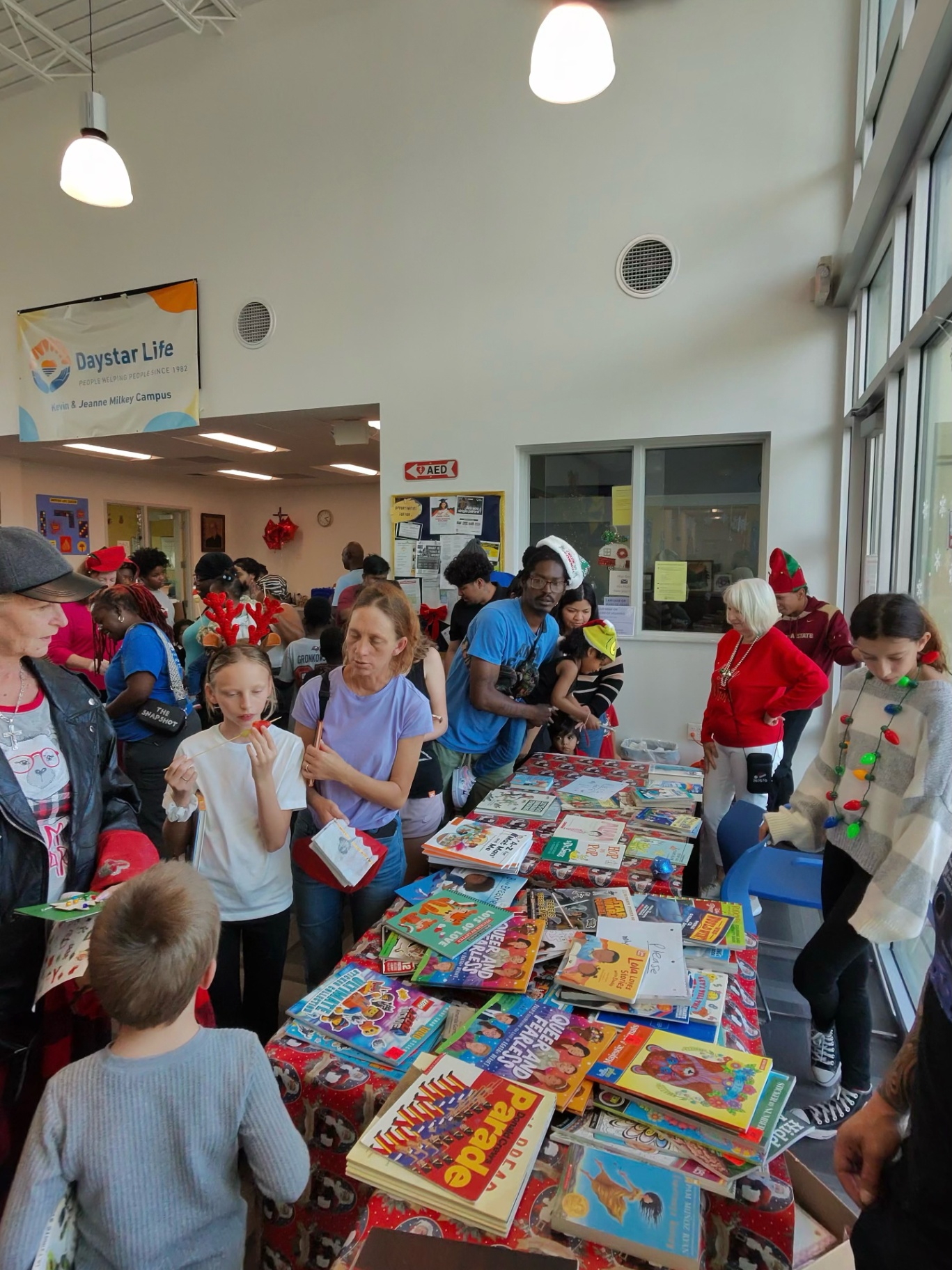
This is exactly what we witness in our enrichment programs for underserved youth throughout Pinellas County. Young men who once avoided reading are now requesting books, discussing characters with enthusiasm, and: most importantly: understanding themselves better through every story they encounter.
Join the Movement
Self-awareness is the secret ingredient that transforms reading from a skill into a superpower. When young people: especially Black boys and underserved youth: develop this capacity, they don't just become better readers. They become more confident humans, ready to navigate challenges, build meaningful relationships, and pursue their dreams with clarity.
At The Competitive Readers Coalition, we're committed to nurturing this transformative connection between self-awareness and literacy in communities across Pinellas County. Through our family literacy programs, barbershop reading sessions, and community events, we're proving that every child can become a confident, lifelong reader when given the right support.
Ready to learn more about literacy resources for parents or explore our upcoming events? Visit crcbooks.org and become part of a community that's changing lives, one book at a time.
Comments