
Self-Awareness in Young Readers: Why It Matters & How to Build It
Updated: Jan 20
Every child has a story waiting to be told: a unique voice, perspective, and set of experiences that shape how they see themselves and the world around them. But here's the thing: before young readers can fully connect with the stories in books, they need to understand their own story first. That's where self-awareness comes in, and it's one of the most transformative skills we can nurture in our children.
At The Competitive Readers Coalition (CRC), we've seen firsthand how self-awareness creates confident, engaged readers who don't just decode words on a page: they connect deeply with texts, see themselves reflected in stories, and develop the resilience to tackle any challenge. For young Black boys and underserved youth in Pinellas County and beyond, self-awareness isn't just a nice-to-have skill. It's a superpower.
What Exactly Is Self-Awareness?
Let's break it down in simple terms. Self-awareness is the ability to recognize and understand your own emotions, thoughts, values, strengths, and areas where you're still growing. It's knowing what makes you tick, what fires you up, what calms you down, and how your feelings influence your actions.
For young readers, self-awareness looks like:
Recognizing when they feel frustrated with a challenging book and knowing how to push through
Understanding what kinds of stories spark their curiosity and joy
Identifying their strengths as readers and areas where they need support
Connecting their personal experiences to characters and situations in books
When children develop this inner compass, reading transforms from a school assignment into a journey of discovery: about the world and about themselves.
Why Self-Awareness Is a Game-Changer for Young Readers
Here's where things get exciting. Research shows that young readers who understand their emotional landscape can regulate their emotions more effectively, reducing impulsivity and improving focus during reading time. When a book gets tough or a word seems impossible, self-aware readers don't shut down: they recognize their frustration, take a breath, and try again.
But the benefits go far beyond getting through a difficult passage.
Building Reading Confidence for Boys
Self-awareness fuels a growth mindset. When young people recognize their strengths and areas for growth, they become more willing to tackle challenging books and embrace learning opportunities. Instead of thinking "I'm bad at reading," a self-aware child thinks "This is hard right now, but I'm getting better every time I practice."
This shift is especially powerful for building reading confidence in boys, who often face societal pressure to hide struggles or avoid asking for help. When boys understand that everyone has strengths and challenges, they're more likely to engage authentically with reading and learning.
Connecting with Characters and Stories
Self-aware readers don't just read words: they experience stories. They empathize with characters facing tough decisions, recognize familiar emotions in fictional situations, and engage in meaningful discussions about what they've read. This deeper engagement makes reading memorable and meaningful, not just a checkbox on a homework list.
Making Authentic Choices
When young readers know who they are and what they value, they can choose books that genuinely interest them rather than simply following trends or external pressure. This autonomy leads to more reading, more enjoyment, and stronger literacy skills over time.
Overcoming Stereotypes Through Self-Knowledge
For Black boys and underserved youth, self-awareness serves an even more vital purpose: it builds armor against harmful stereotypes and limiting narratives.
When young people truly know themselves: their intelligence, creativity, kindness, and potential: they're better equipped to reject external messages that don't align with their identity. A boy who knows he's curious, capable, and worthy won't accept anyone's attempt to label him otherwise.
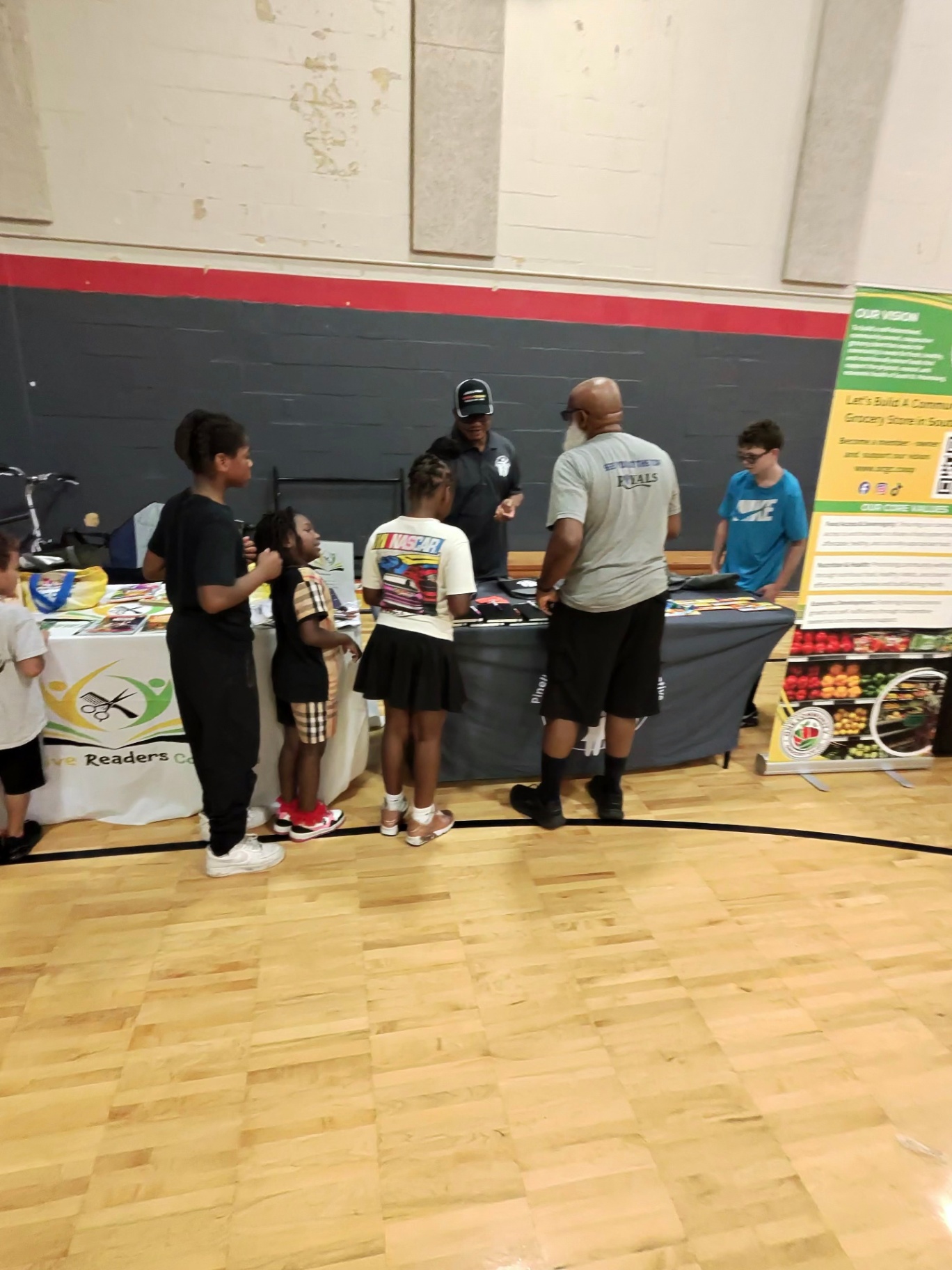
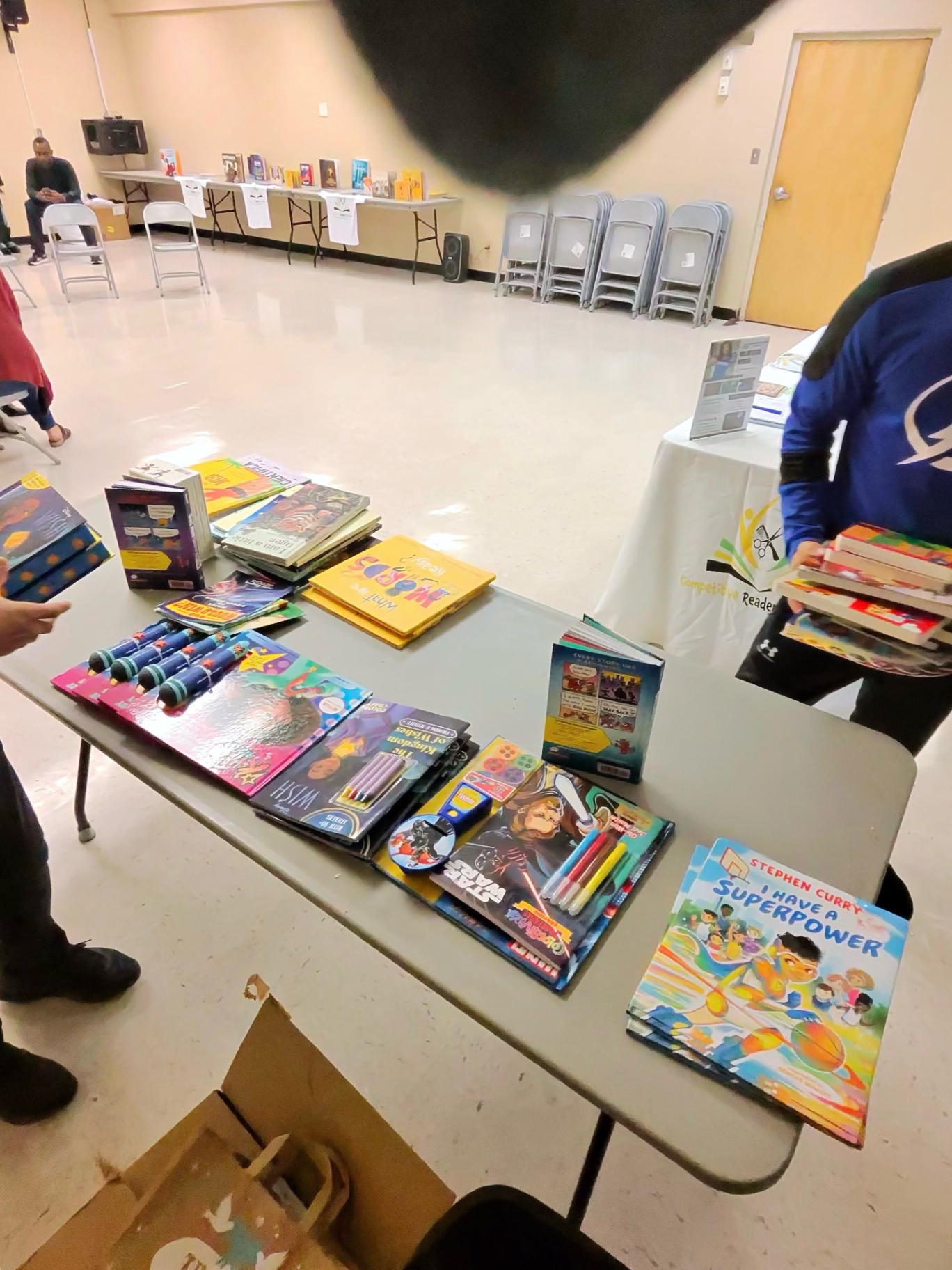
Culturally responsive books for kids play a huge role here. When young readers see characters who look like them, come from similar backgrounds, and navigate relatable challenges, they receive powerful validation. These books say: "Your story matters. Your experiences are worth exploring. You belong in these pages."
At CRC, we intentionally curate books featuring diverse protagonists, rich cultural contexts, and affirming storylines. When a young Black boy reads about a character who shares his heritage, his neighborhood, or his dreams, something remarkable happens: he sees possibility reflected back at him.
Practical Ways to Build Self-Awareness Through Reading
So how do we actually nurture self-awareness in young readers? Here are strategies that work beautifully in homes, classrooms, and community spaces.
Use Books as Mirrors and Windows
Select books that serve as "mirrors" (reflecting the child's own experiences and identity) and "windows" (offering glimpses into different perspectives and lives). After reading, ask reflective questions like:
"How did this character's feelings compare to yours?"
"Have you ever felt like that before?"
"What would you have done differently?"
These conversations build the neural pathways for self-reflection and emotional intelligence.
Create Safe Spaces for Emotional Conversations
Normalize naming and discussing emotions: both in stories and in daily life. When children can say "I felt anxious when the character got lost" or "That made me feel proud," they're practicing the vocabulary of self-awareness.
Family literacy programs that include emotional check-ins and open dialogue create environments where children feel safe exploring their inner world alongside the worlds in books.
Celebrate Strengths and Growth Areas
Help young readers identify what they're good at and where they're growing. Maybe they're fantastic at predicting what happens next but still building vocabulary skills. Recognizing both creates honest self-assessment without shame.
Foster Self-Compassion
Reading can be hard! Teach children to treat themselves kindly when they struggle. Self-compassionate readers bounce back from difficult passages, negative reading experiences, or moments of confusion with less anxiety and more resilience.
The Power of Community Spaces
One of the most innovative approaches to building self-aware, confident readers happens in unexpected places: like barbershops.
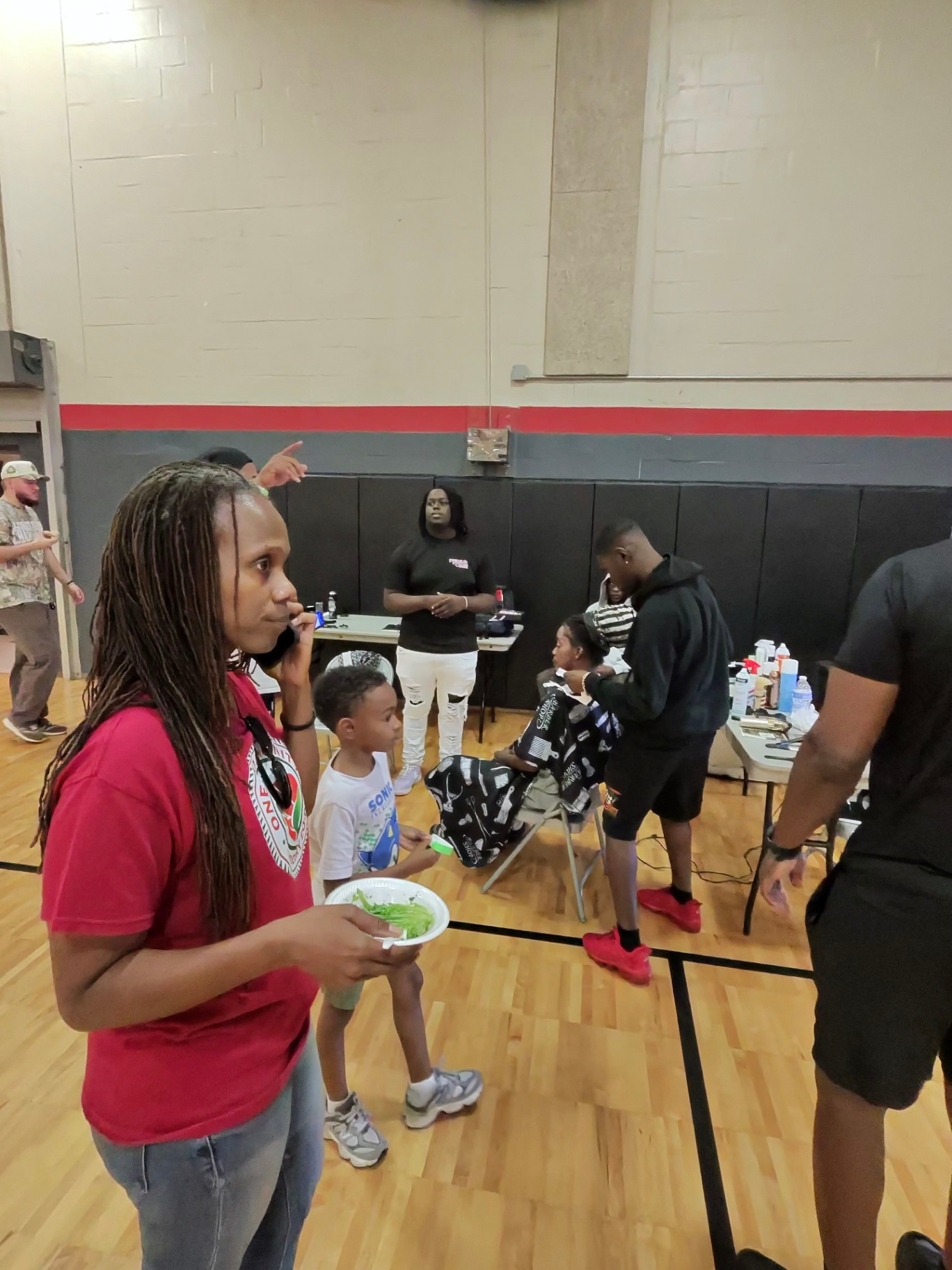
CRC's barbershop reading programs transform a familiar community space into a vibrant literacy hub. In these welcoming environments, young boys experience reading as natural, joyful, and connected to their everyday lives.
Barbershops offer something special: trusted relationships, relaxed atmospheres, and positive male role models who demonstrate that reading is cool, valuable, and very much "for them." When boys see barbers, mentors, and community members engaging with books, they internalize a powerful message about literacy and identity.
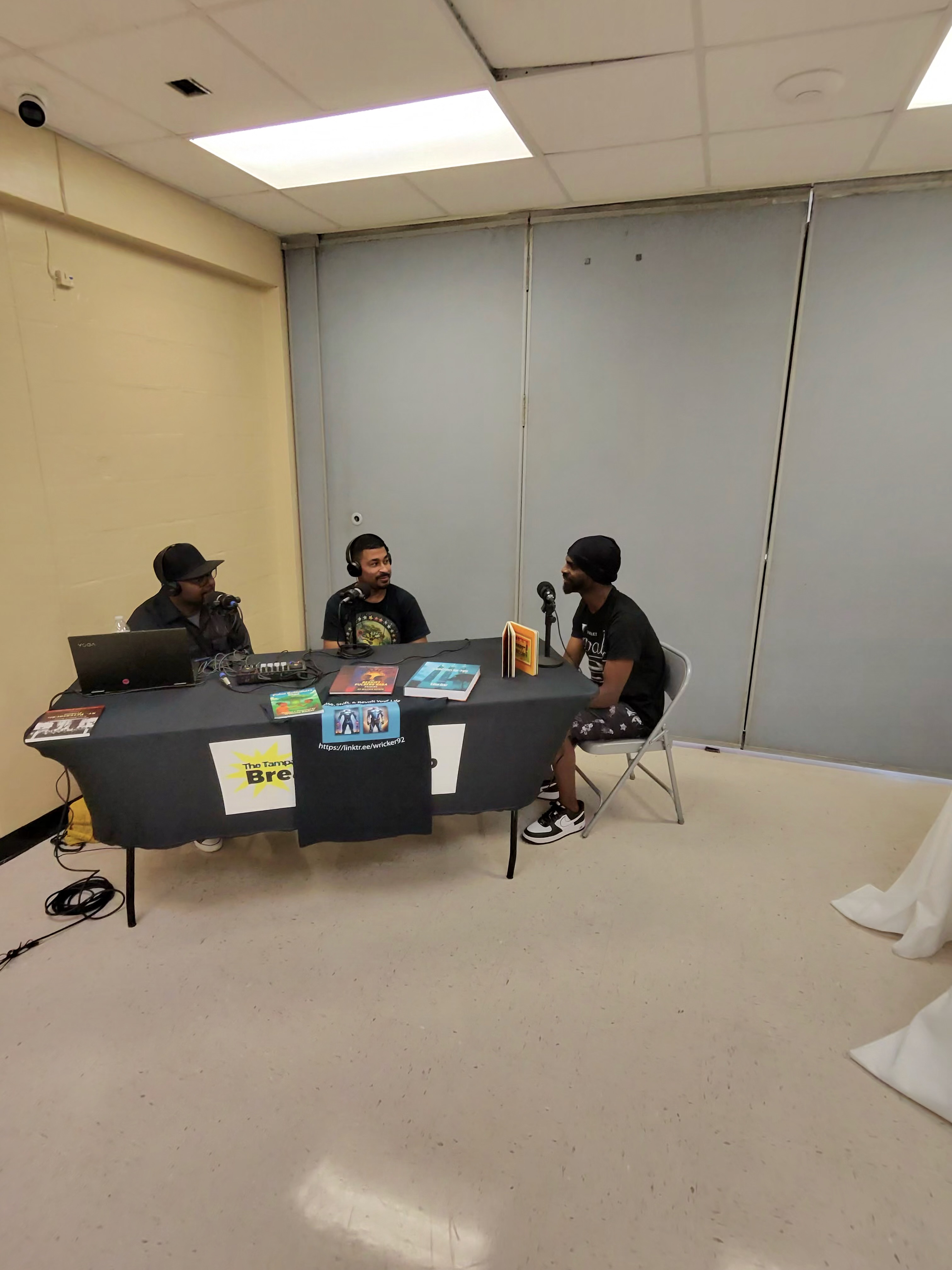
These spaces also provide opportunities for reflection and conversation. A haircut becomes a chance to discuss a story, explore emotions, and build the self-awareness that transforms reading skills.
Tips for Parents and Community Partners
Ready to nurture self-awareness in the young readers you care about? Here are actionable steps you can take today:
1. Start Reflective Conversations After reading together, ask open-ended questions about feelings, connections, and personal experiences. Listen more than you talk, and validate whatever emerges.
2. Choose Culturally Responsive Books Seek out books featuring characters and stories that reflect your child's background and identity. Representation matters deeply for building self-awareness and pride.
3. Model Self-Awareness Yourself Share your own emotions and reflections out loud. "I'm feeling frustrated with this project, so I'm going to take a break" teaches children that self-awareness is a lifelong practice.
4. Connect with Enrichment Programs for Underserved Youth Organizations like CRC offer family literacy programs and community events specifically designed to build reading confidence and self-awareness in supportive, affirming environments.
5. Celebrate Every Step Forward Acknowledge effort, growth, and courage: not just perfect performance. Self-aware readers know that progress matters more than perfection.
Join the Movement
Self-awareness isn't just a buzzword: it's the foundation for raising confident, engaged, resilient readers who know their worth and embrace their potential. For young Black boys and underserved youth, this inner knowledge creates armor against stereotypes, fuel for academic success, and connection to a rich literary world that celebrates who they are.
At The Competitive Readers Coalition, we're committed to building self-aware readers through culturally responsive books, innovative programs like our barbershop initiatives, and community partnerships across Pinellas County and beyond. Every child deserves to know their story matters: and to find that truth reflected in the books they read.
Want to get involved? Explore our upcoming events, connect with local reading programs, or simply start a reflective conversation with a young reader in your life today.
Together, we're building a generation of readers who know themselves, believe in themselves, and are ready to write their own remarkable stories.
Comments