


Word of the Day: Reciprocity
- Antonio Brown
- Jan 28
- 5 min read
What if the secret to raising confident, literate young men isn't found in a classroom or a textbook, but in the everyday exchanges we have with each other? What if the real magic happens when we give, receive, and give again?
Welcome back to CRC's Word of the Day series, where Professor Antonio breaks down one elevated word each day to help our sons (and their families) build a powerful lexicon. Today's word sits at the heart of everything we do at The Competitive Readers Coalition. It's the invisible thread that ties barbershops to boardrooms, fathers to sons, and neighbors to neighbors.
Today's word is Reciprocity.
The Deep Dive: Reciprocity
Pronunciation: ress-ih-PROSS-ih-tee
What it means: Exchanging things with others for mutual benefit. Simply put, I help you, you help me, and we both come out stronger.
Use it in a sentence:"Reciprocity is the engine of a strong community, we all do better when we help each other."
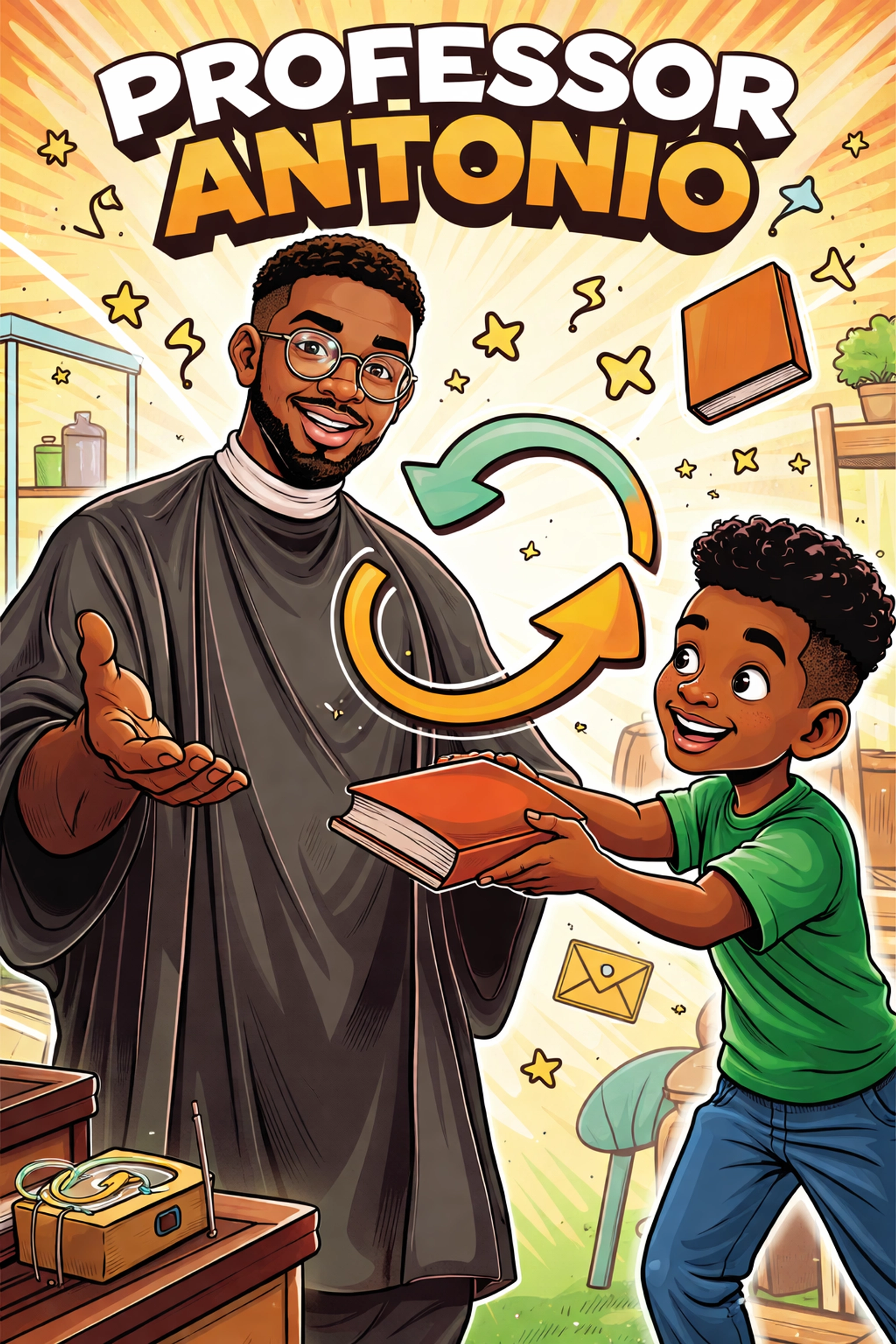
Reciprocity isn't just a fancy word for trading favors. It's a mindset. It's understanding that when we pour into others, we're also filling our own cup. When a barber takes ten extra minutes to read a book with a young boy in his chair, that barber is giving something invaluable. But here's the beautiful part: that young boy grows up remembering that moment. He becomes a reader. Maybe he becomes a mentor himself. Maybe he comes back to that same shop years later and reads to the next generation.
That's reciprocity in action.
Why Reciprocity Matters for Our Sons
Let's be real, our boys are watching everything. They're absorbing how adults treat each other, how communities function, and whether or not people show up for one another. When we teach them the word reciprocity, we're not just expanding their vocabulary. We're handing them a blueprint for how to move through the world.
Here's what reciprocity teaches our young men:
1. Your actions have ripple effects. When you help someone, you're not just helping that one person. You're contributing to a culture of support that eventually comes back around. Our sons need to understand that their small acts of kindness, sharing a book, explaining a math problem, holding the door, create waves they might never see but will absolutely feel.
2. Community is a two-way street. Too often, young people are told to "take advantage of opportunities" without being shown how to give back. Reciprocity flips that script. Yes, accept help when it's offered. But also look for ways to contribute. That balance builds character and earns respect.
3. Trust is built through exchange. Think about your closest relationships. They work because both people invest. Reciprocity teaches our sons that trust isn't given freely: it's earned through consistent, mutual effort.
CRC and the Power of Reciprocal Relationships
At The Competitive Readers Coalition, reciprocity isn't just a word we teach: it's how we operate. Our entire model is built on the understanding that literacy thrives when communities support each other.
From the Barbershop to the Boardroom
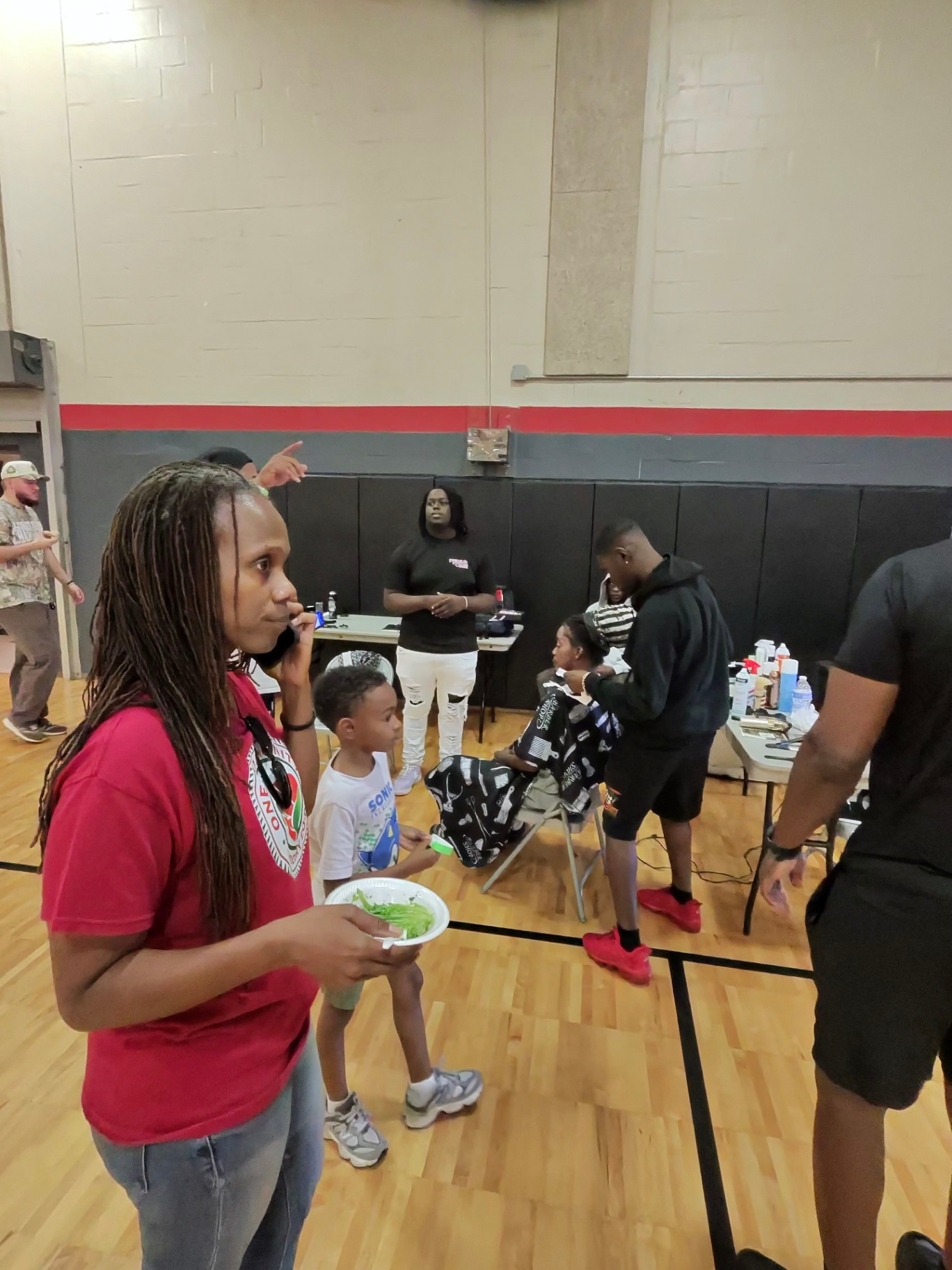
Our flagship program, From the Barbershop to the Boardroom, is reciprocity in its purest form. Barbers across Pinellas County open their shops as trusted community spaces for literacy. They donate their time, their energy, and their influence to help young boys fall in love with reading.
But it's not a one-way transaction.
When barbers invest in these young men, they're also investing in the future of their communities. Those boys grow up with stronger reading skills, sharper minds, and deeper connections to the people who believed in them. Many of them come back: as mentors, as customers, as advocates. The cycle continues.
This is what makes CRC's barbershop literacy program so transformative. It's not charity. It's partnership. It's reciprocity.
The Library Barbershop Studio Model
Our Library Barbershop Studio Model takes this concept even further by bridging two powerful community institutions: barbershops and libraries. Libraries provide resources, space, and educational expertise. Barbershops provide cultural relevance, trust, and access to families who might not otherwise engage with traditional literacy programs.
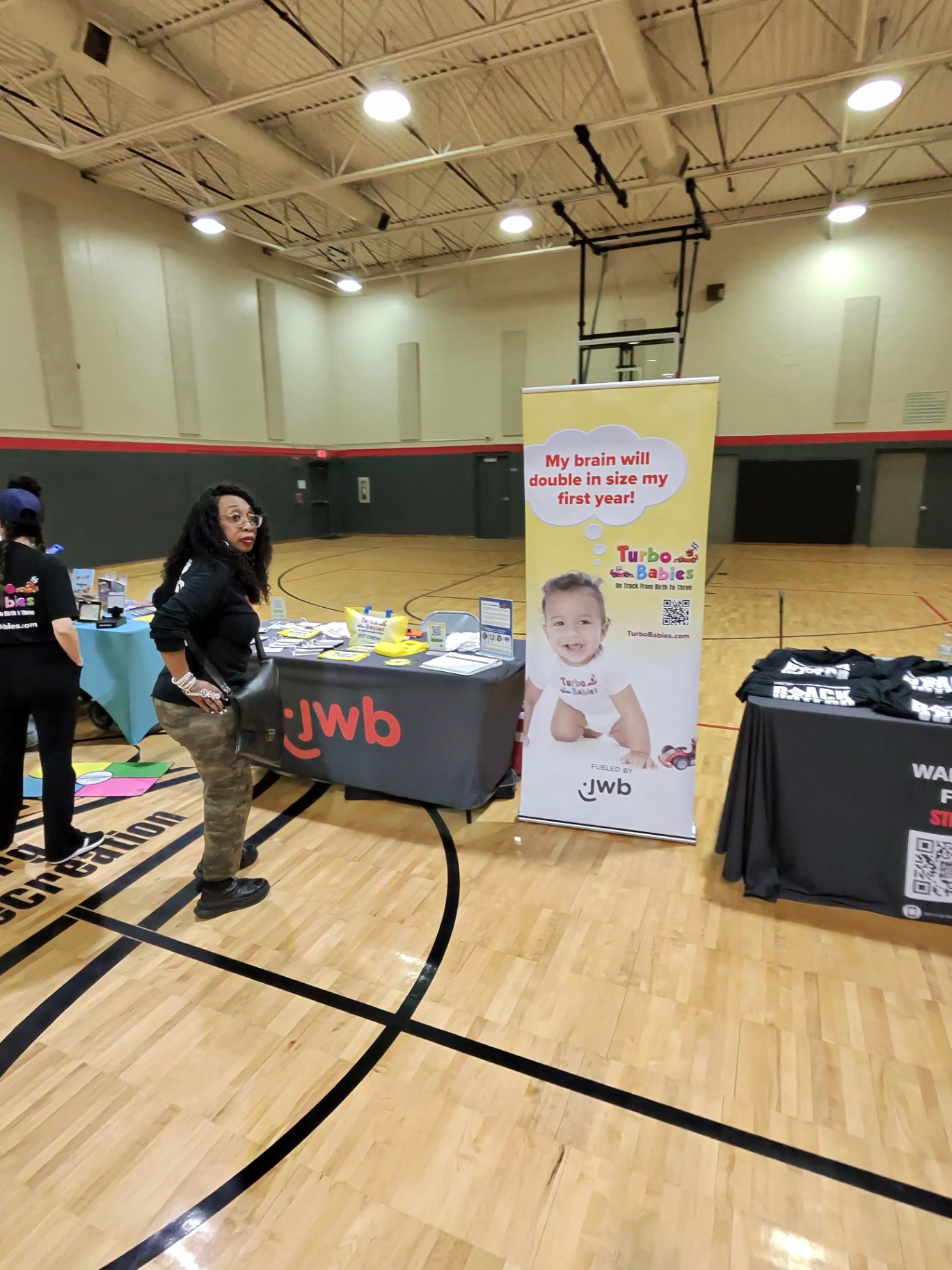
When these two worlds come together, everyone benefits. Libraries see increased engagement from underserved communities. Barbershops become even more central to neighborhood life. And most importantly, young boys get literacy support in spaces where they feel seen, valued, and safe.
That's the beauty of reciprocity: it multiplies what each party brings to the table.
Reciprocity Beyond the Shop: How Families Can Practice It Daily
You don't need a barbershop or a library to practice reciprocity. It starts at home, in the small moments that shape how our children see the world.
Try This Tonight (60 Seconds)
At dinner or before bed, ask your child:
"How did someone help you today, and how can you help someone else tomorrow?"
This simple question does three powerful things:
The Pinellas County Connection
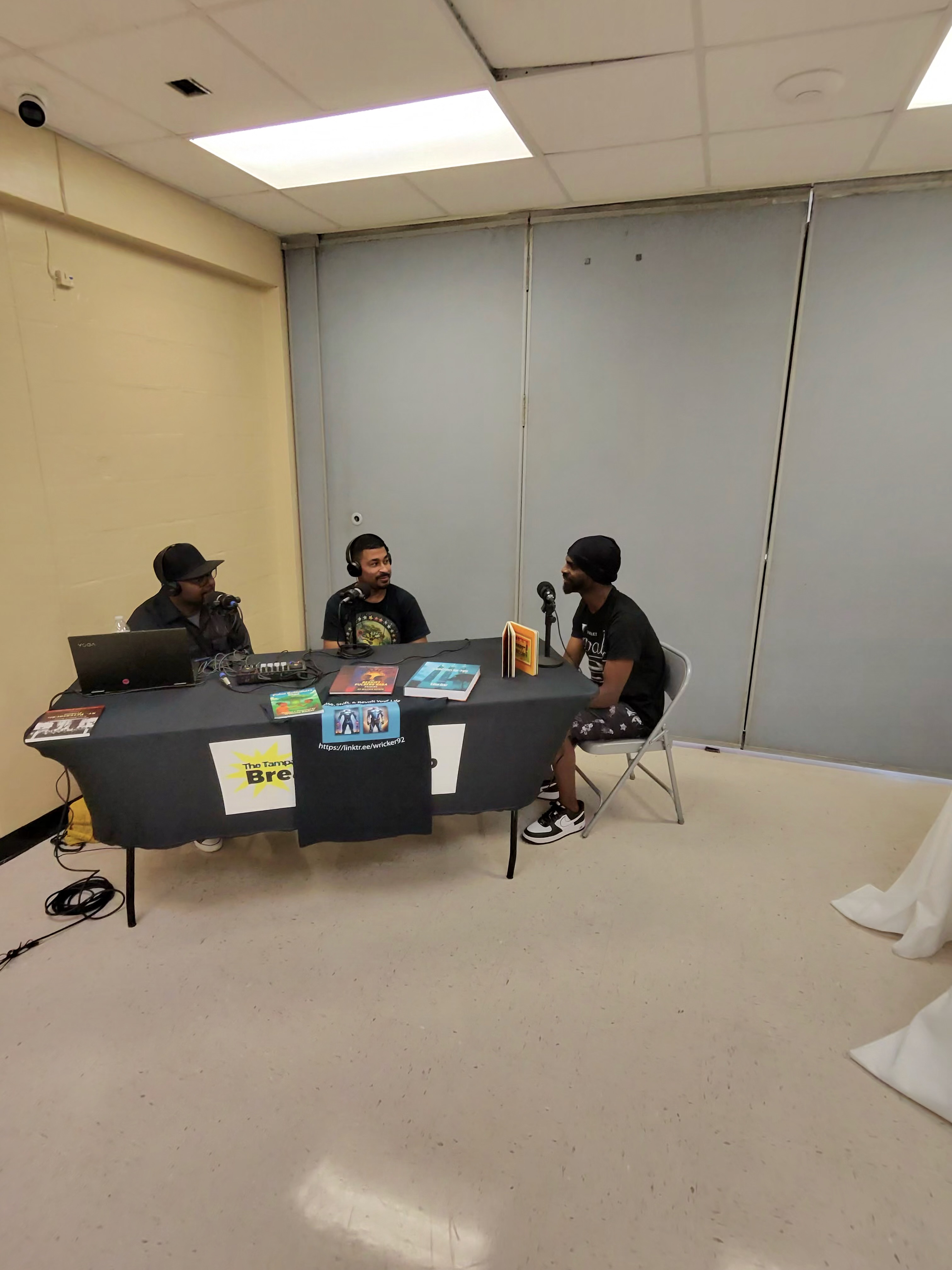
Here in Pinellas County, reciprocity isn't just a nice idea: it's a necessity. Our communities face real challenges: literacy gaps, economic barriers, and systemic inequities that make it harder for some families to access resources. But we also have incredible strengths: tight-knit neighborhoods, dedicated educators, and trusted community spaces where real connection happens.
CRC exists at the intersection of these challenges and strengths. We believe that when communities practice reciprocity: when barbers read with boys, when fathers show up for their sons, when neighbors support each other's kids: we can close the literacy gap together.
According to research on reciprocity, this isn't just feel-good philosophy. It's embedded in human psychology. People naturally respond to positive actions with positive actions. When we create environments where giving is normalized and celebrated, we unlock a cycle of support that benefits everyone.
That's why trusted community spaces like barbershops are so powerful. They're already places where reciprocity happens organically: where advice is shared, where connections are made, where people look out for each other. CRC simply channels that existing energy toward literacy.
Building a Lexicon of Leadership
Today's word: reciprocity: joins a growing list of elevated vocabulary we're exploring together this week:
Erudition – Deep knowledge gained through learning
Acumen – Sharp judgment and smart decision-making
Sagacity – Wisdom built from experience
Efficacy – The power to produce results
Reciprocity – Mutual exchange for shared benefit
Magnanimity – Big-hearted leadership (coming soon)
Lexicon – Your personal word-bank (coming soon)
Each of these words represents more than vocabulary. They represent values: ways of thinking and being that we want our sons to carry with them as they grow into confident, capable young men.
When a young boy can use the word reciprocity in a sentence, he's not just showing off a big word. He's demonstrating that he understands how communities work. He's signaling that he's ready to contribute, not just consume. That's identity-centered programming in action.
Your Move
Reciprocity requires participation. It's not something you observe: it's something you practice.
So here's the invitation: Who can you support this week? Maybe it's a neighbor, a coworker, or a young person in your life who needs encouragement. Maybe it's showing up for a CRC event or sharing our mission with someone who needs to hear it.
Whatever it looks like for you, remember this: every act of giving creates an opportunity for receiving. Every investment in someone else's growth is an investment in your community's future.
That's the power of reciprocity. And it starts with you.
Want to learn more about how CRC brings literacy into trusted community spaces across Pinellas County? Visit crcbooks.org to explore our programs and find out how you can get involved.
Comments