
Word of the Day: Reciprocity (CRC)
Welcome back to CRC's Word of the Day series! Today, Professor Antonio is rocking his barber cape: and for good reason. This word lives and breathes in the barbershop, in our neighborhoods, and in every handshake between community members who show up for each other. Let's dive in.
The Word: Reciprocity
Pronunciation: reh-sih-PROSS-ih-tee
Part of Speech: Noun
Quick Meaning: The practice of exchanging things with others for mutual benefit: when you give, you receive; when you receive, you give back.
In a Sentence (CRC-style): "Reciprocity is what happens when a barber shares wisdom with a young man in the chair, and years later, that young man returns to mentor someone else."
Why This Word Matters Right Now
There's a reason reciprocity shows up in almost every culture, every faith tradition, and every thriving community on the planet. It's the invisible thread that holds us together.
Think about it: When your neighbor watches your kids while you handle business, that's reciprocity. When a barber gives a young brother a fresh cut and a life lesson: and that brother grows up to support the next generation: that's reciprocity in motion. When dads invest time reading with their sons, and those sons become fathers who do the same, that's generational reciprocity.
At The Competitive Readers Coalition, we don't just teach words. We build relationships. And relationships run on reciprocity.
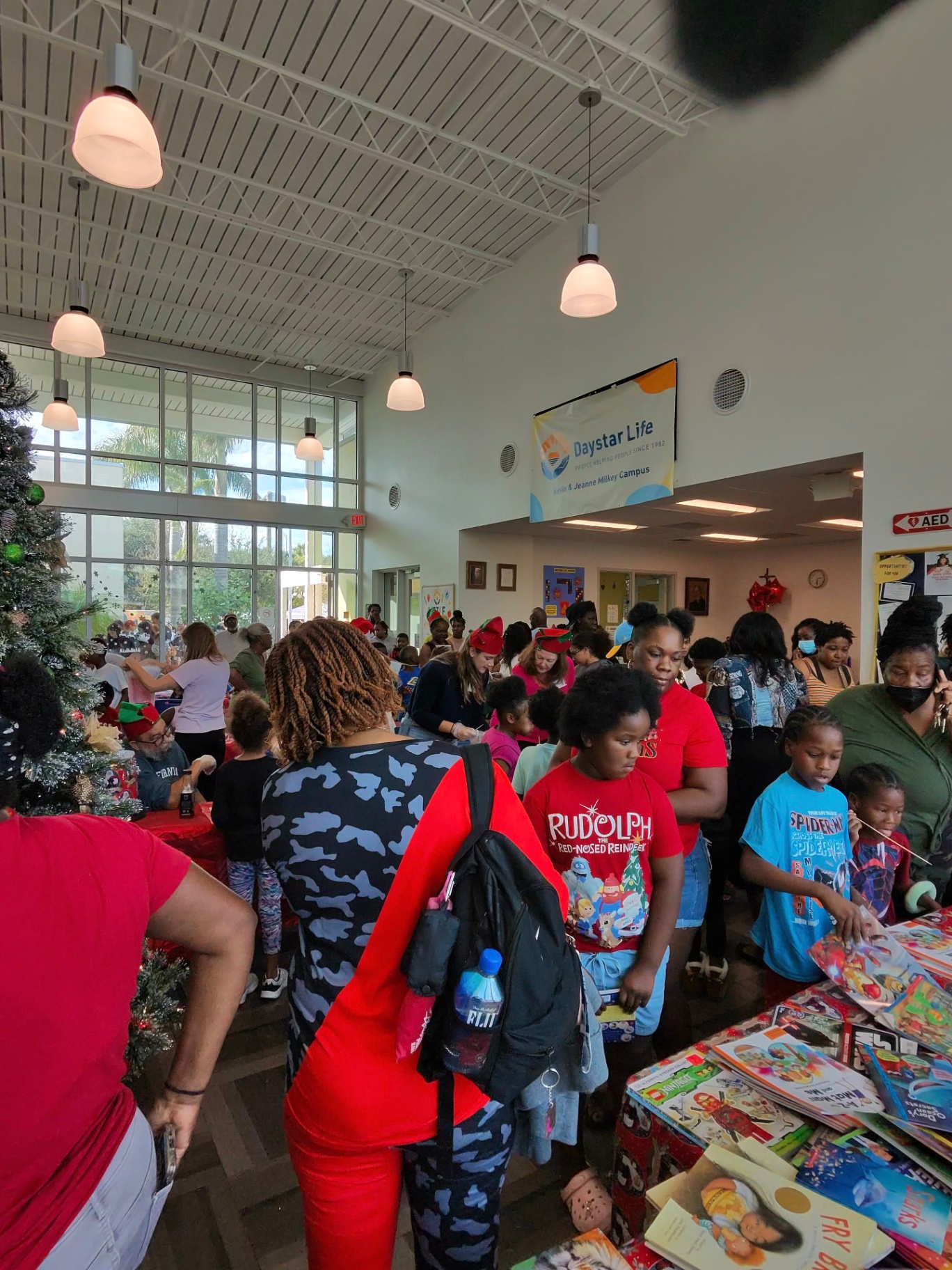
The Three Faces of Reciprocity
Here's where it gets interesting. Reciprocity isn't one-size-fits-all. Researchers and community builders recognize three distinct types:
1. Generalized Reciprocity
This is giving without expecting anything immediate in return. You plant seeds because you believe in the harvest: even if someone else reaps it.
Example: A CRC volunteer spends Saturday mornings reading with boys at a local barbershop. She may never see those boys graduate high school or college. But she shows up anyway because she trusts the ripple effect.
This is the heart of programs like The Library Barbershop Studio Model and The Dads Treasure Chest: adults investing in young people because they believe in what's possible.
2. Balanced Reciprocity
This is the direct exchange most people think of: I help you, you help me, and we both walk away better.
Example: In From the Barbershop to the Boardroom, young men learn professional skills from mentors who once sat in those same chairs. The mentor gives knowledge; the mentee gives attention, effort, and eventually, leadership that benefits the whole community.
Both sides gain. Both sides grow.
3. Negative Reciprocity
This is the imbalanced exchange: when one party takes more than they give, leaving the other feeling used or shortchanged.
Why it matters: Teaching our sons about reciprocity means helping them recognize when relationships are healthy and when they're not. A young man with a strong vocabulary and strong boundaries is a young man who can navigate the world with confidence.
Reciprocity in the Barbershop
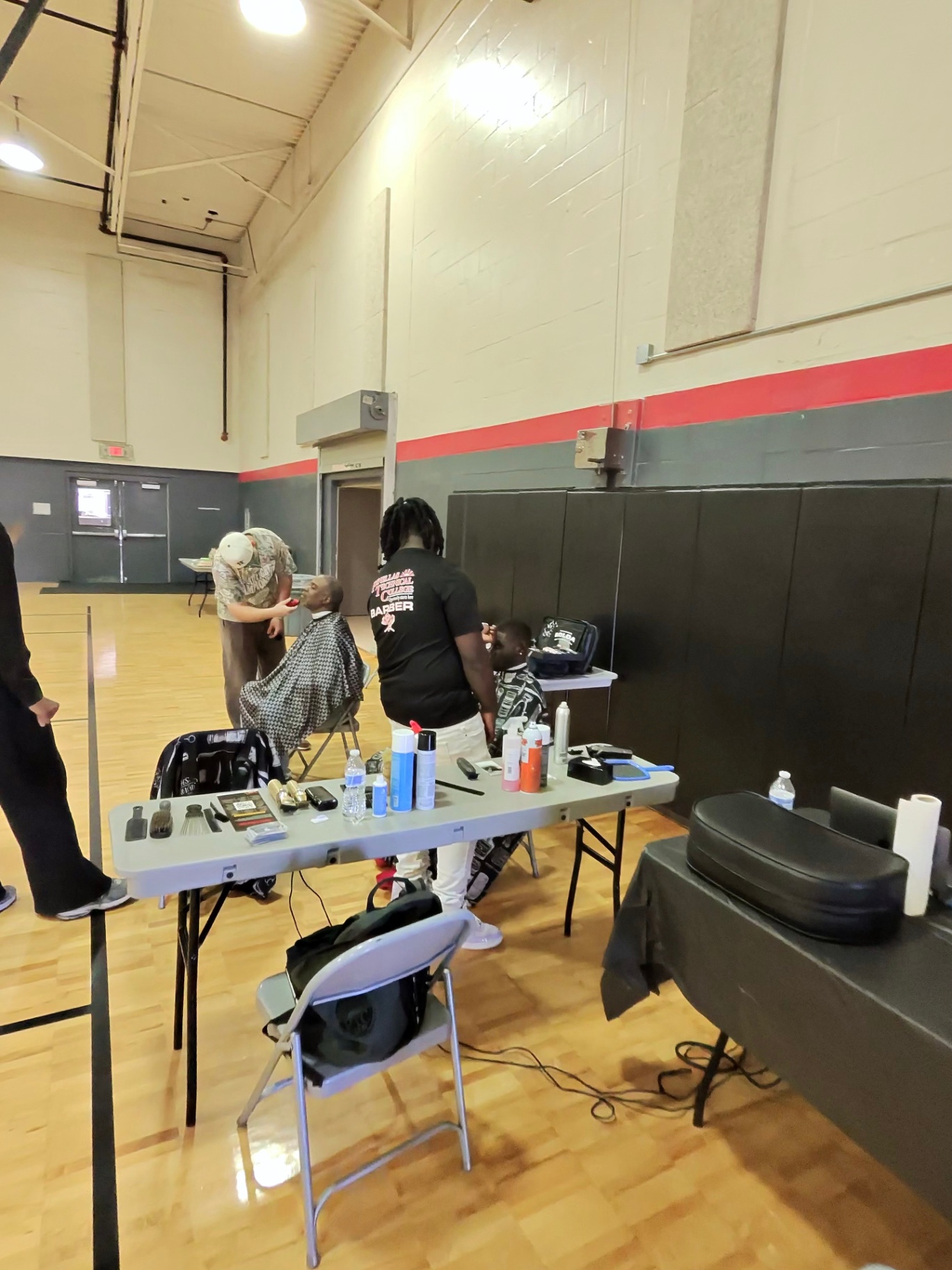
If there's one place where reciprocity is practiced daily, it's the barbershop.
Think about what happens in that chair: A young man sits down for a haircut. The barber doesn't just cut hair: he listens, he advises, he challenges, he encourages. The young man receives more than a fresh fade; he receives wisdom, attention, and affirmation.
And here's the beautiful part: Years later, that young man might become a barber himself. Or a mentor. Or a father who brings his own son to that same shop. The cycle continues.
This is why CRC brings literacy experiences into barbershops and other trusted community spaces. We're not just teaching reading: we're activating a cycle of reciprocity that's been running in Black and Brown communities for generations.
How CRC Programs Model Reciprocity
Let's connect this word to real work happening right now across our 8-program family:
From the Barbershop to the Boardroom Young men receive mentorship, professional development, and access to networks. In return, they commit to showing up, putting in the work, and eventually mentoring the next wave. That's balanced reciprocity at its finest.
The Library Barbershop Studio Model Libraries and barbershops partner to create literacy-rich environments. Libraries gain community trust and foot traffic; barbershops gain resources and programming that serve their clients. Both institutions win. The kids win most of all.
Our Fatherhood Initiative Dads receive tools, training, and support to become literacy leaders at home. In return, they invest time reading with their children: and those children grow into stronger students, stronger citizens, and (one day) stronger parents themselves.
Youth Workforce Development and Training Young people receive career-readiness skills and real-world experience. They give back by contributing to CRC events, supporting peers, and eventually entering the workforce as prepared, professional young adults.
Financial Literacy and Homeownership Program (Partner: LMCU) Families receive education on budgeting, saving, credit, and homeownership. They give back by building generational wealth: and by sharing what they've learned with neighbors, cousins, and friends.
The Dads Treasure Chest Fathers receive curated books and reading guides. They give back by creating consistent, joyful reading moments at home. Their sons receive the gift of literacy confidence. The cycle repeats.
9-Week Summer Camp Youth receive structured enrichment during the summer months. They give back by demonstrating growth, participating fully, and returning as junior mentors in future years.
Barber-Preneur Program Aspiring barbers receive business training and professional development. They give back by becoming community anchors who serve: and uplift: the next generation.
Every single program runs on reciprocity. It's not a buzzword. It's the blueprint.
Try It at Home: The 60-Second Reciprocity Challenge
Here's a quick activity for families: perfect for the dinner table, the car ride, or right after a haircut:
Step 1: Ask your child: "Who helped you this week?"
Let them think. Maybe it was a teacher, a coach, a sibling, or a friend.
Step 2: Ask: "How did their help make a difference for you?"
This builds gratitude and awareness.
Step 3: Ask: "What's one way you could return the favor: or pay it forward to someone else?"
This is where reciprocity becomes action.
Bonus: Write down the answer and follow through this week. Reciprocity isn't just a word: it's a practice.
Building Vocabulary, Building Community
Here's the truth: A strong vocabulary doesn't just help on tests. It helps young men name what they're experiencing, advocate for themselves, and connect with others.
When a young man knows the word reciprocity, he can recognize it in his relationships. He can call it out when it's missing. He can build it intentionally.
That's what identity-centered programming looks like. We're not just teaching definitions: we're equipping young people with language that shapes how they see themselves and the world around them.
Your lexicon is your power. And today, we added a new word to the vault.
Join the Movement
Reciprocity starts with one step: showing up.
Whether you're a parent looking to strengthen reading at home, a barber interested in hosting literacy sessions, or a community member ready to volunteer: CRC has a place for you.
Visit crcbooks.org to learn more about our programs, find events near you, and join a community that believes in the power of mutual support.
Because when we give, we receive. When we teach, we learn. When we invest in our sons, they invest in the future.
That's reciprocity. That's CRC.
Word of the Day Recap
Word | Reciprocity |
Pronunciation | reh-sih-PROSS-ih-tee |
Meaning | Mutual exchange for shared benefit |
CRC Connection | From the Barbershop to the Boardroom, The Library Barbershop Studio Model |
Family Challenge | Ask: "Who helped you this week? How can you return the favor?" |
Stay tuned for tomorrow's Word of the Day. Professor Antonio is switching into his suit: because the next word is all about big-hearted leadership.
Follow CRC:
Comments